The Pitt County Arboretum
  • Home
  • What's In Bloom
  • About
    • Staff
    • Master Gardeners
    • Map
    • Stay in Touch
  • Visit
    • Visitor Information
    • Visitor Etiquette
    • Tours
    • Pitt County Agricultural Center
  • Our Gardens
    • Our Gardens
  • Blog
  • Director's Choice
  • Events
    • Calendar
    • Northside Plant Walks
  • Support
    • Plant Sale
    • Friends of the Arboretum >
      • Membership
      • Giving
    • Volunteer
  • Resources
    • Guides
    • Videos
    • Photo Gallery
  • Contact

Welcome to the Blog!

How To Find Answers To Your Lawn and Garden Problems

2/13/2024

2 Comments

 
By John W., Cindy C., and Joanne K., Pitt County Arboretum Extension Master Gardener Volunteers
What should you do when you walk in your garden and find that something has eaten the cabbage, the tomatoes have black ends, the azalea leaves have been eaten, a plant failed to grow, and dead patches have appeared in your lawn?


Most gardeners have run into these or similar problems. Below are resources to help you try to solve your problems.

First, carefully look at the plant problem, collecting as much information as possible. The more you know about the problem, the easier it is to find a solution. Here are some questions to consider:

  • Is the plant dying or being eaten?
  • Is the whole plant dying or just part of it?
  • Are similar plants around it healthy or do they have the same problem?
  • Does the problem start at the bottom or the top of the plant?
Picture
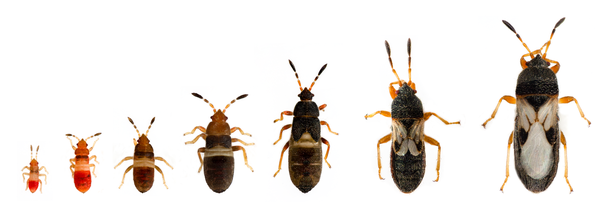
Cinch bugs, Blissus leucopterus, love hot dry weather. They cause irregular brown patches to appear in turf. Photo: D.S. Reiland
Picture
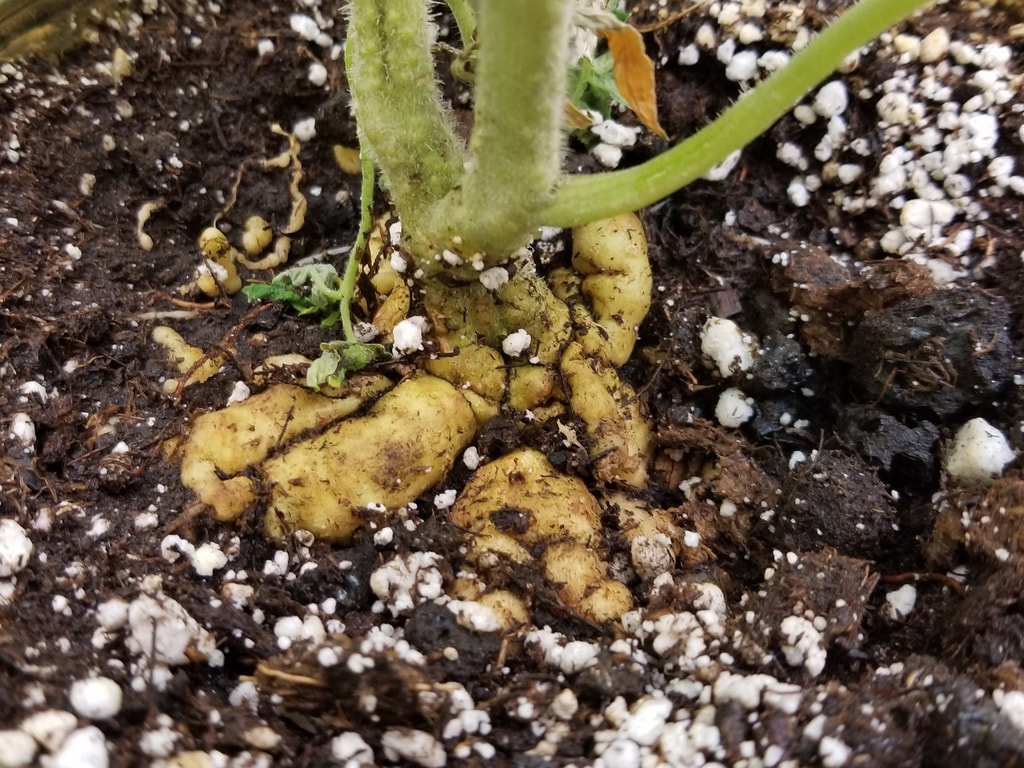
Corky root disease in tomatoes, Solanum lycopersicum, is caused by a fungus, Pyrenochaeta lycopersici. Photo: Scot Nelson, Public Domain Mark 1.0
  • Are there spots on the leaves or discoloration on the stems?
  • What do the under sides of the leaves look like?
  • If the plant is being eaten, is the damage major or minor?
  • If minor, are insects or caterpillars present? Look closely as some pests are carefully camouflaged. If major, deer or rabbits could be the culprit.
  •  Have you spotted animal droppings in your yard?
  • Is the damage to one species or several different species?
  • Is the damage above ground or below?
    For instance, voles can eat entire plant root systems, causing plants to die.


Picture
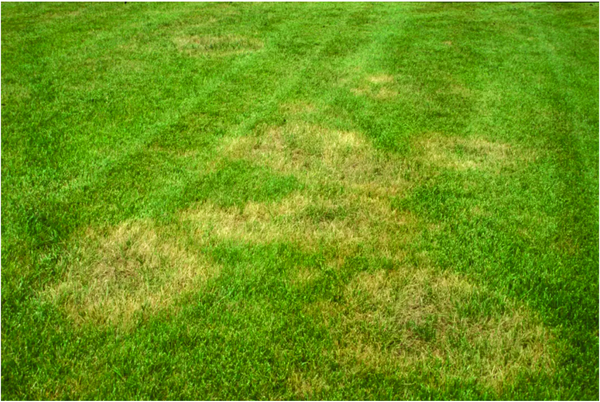
Brown patch is a summer foliar disease on fescue grass, caused by the fungus Rhizoctonia solani. Photo: M. Bertone, NCSU Plant Disease and Insect Clinic.
Picture
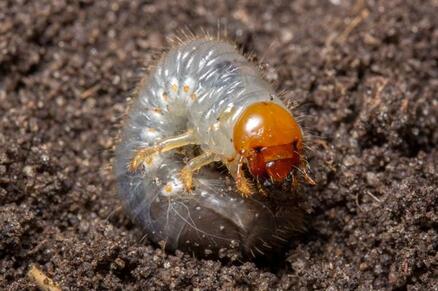
White grubs are beetle larvae that hatch mid-to-late June and just love your lawn to death. Photo: M. Bertone, NCSU Plant Disease and Insect Clinic.
Picture
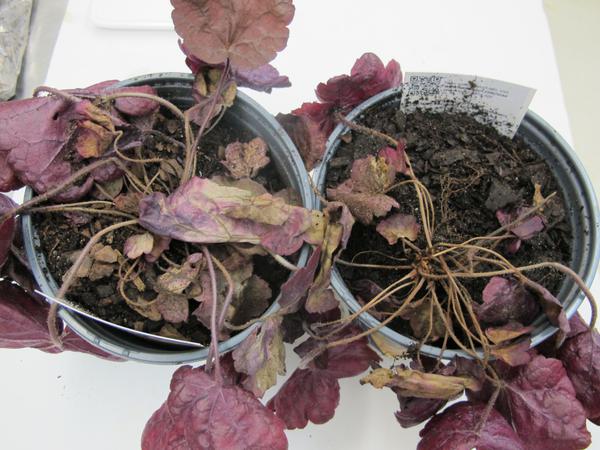
Heuchera Phytophthoa is a blight and root rot on annuals and herbaceous perennials such as the Coral Bells (Heuchera sanguinea) shown here. Photo: NCSU Plant Disease and Insect Clinic.
Picture
Picture
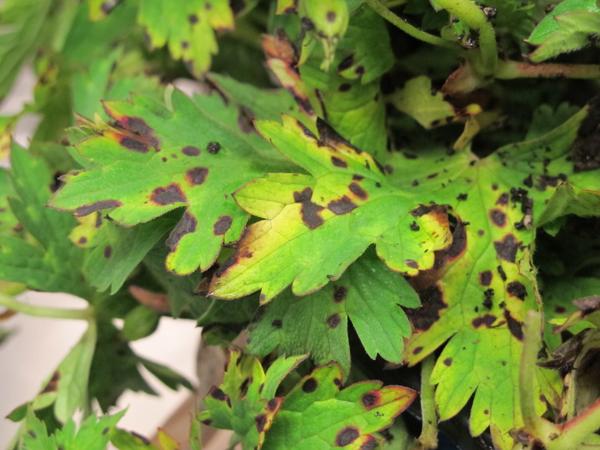
Photo: NCSU Plant Disease and Insect Clinic. Bacterial leaf spot is caused by Xanthomonas on greenhouse ornamentals such as on the Geranium (Pelargonium) leaves shown here. Photo: NCSU Plant Disease and Insect Clinic.
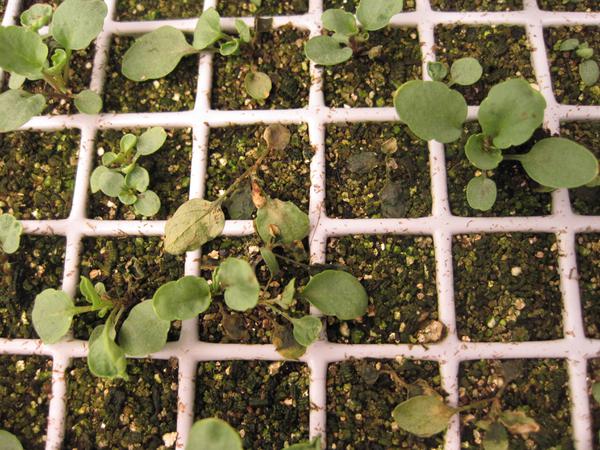
Damping Off, Phytopythium vexans, is a fungus that affects small seedlings such as the Pansy (Viola x wittrockiana) shown here. Photo: NCSU Plant Disease and Insect Clinic.

After completing your detective work, you can often solve your problem.

If not, try the following resources:

Pitt County Extension Master Gardener Volunteer Info Line:
This is a telephone or in-person service staffed on Tuesdays and Thursdays from 10:00 am to noon. Call 252-902-1705 or visit 403 Government Circle, #2, in Greenville. You can also leave a voice mail message at 252-902-1705 describing your problem and how to contact you. Your call will be returned when Master Gardeners are in the office. These gardeners live in Pitt and Beaufort Counties, have completed an NC Extension Service Master Gardening training program, are long-time gardeners, and have usually gardened for many years in this area.
  • They will research the question if they don’t know the answer.
  • They can demonstrate how to take a good soil sample and interpret the results.
  • They can confer directly with you when you bring in a sample of your problem.
  • They can confer with extension agents in the office for additional help.

North Carolina State Extension – ces.ncsu.edu
NC State Ag faculty and Ag Extension agents provide research-based gardening information. Type your question in the search box for links to articles concerning your question.
Type turffiles in the search box for lawn diseases, pests, and maintenance practice questions. Type NCSU turffiles into your search engine to go directly to this site.

Clemson University
– hgic.clemson.edu
Clemson's Home and Garden Information Center offers research-based gardening solutions for home gardeners. Search the categories across the top or use the search box for available articles.

Missouri Botanical Gardens
– missouribotanicalgardens.org
If your plant is growing poorly, this website summarizes the ideal growing conditions for your plant. However, not every plant is in their database.

We hope these resources will help you become a better gardener!

Photo credits:
1.
Chinch bug nymphal instars and adult, D.S Reiland
2. Tomatoes - Root-knot nematode (Meloidogyne incognita) on variety 'Pixie' Scot Nelson Public Domain Mark 1.0
3. Figure 9-36. A brown area on tall fescue grass, NC State Turf Pathology
4. White grub. M. Bertone, NCSU Plant Disease and Insect Clinic
5. Symptoms of root and crown rot on Heuchera, NCSU Plant Disease and Insect Clinic
6. Bacterial leaf spot on geranium, NCSU Plant Disease and Insect Clinic

7. Pansy affected by damping-off fungi, NCSU Plant Disease and Insect Clinic
2 Comments
Canopy Lawn Care of Raleigh link
6/7/2024 12:10:39 am

I agree with the admin that when tackling lawn and garden issues, start by identifying the problem accurately. First, carefully look at the plant problem, collecting as much information as possible. The more you know about the problem, the easier it is to find a solution. For example, if the plant is dying or being eaten, is the whole plant dying or just part of it? Are similar plants around it healthy, or do they have the same problem? Each information is a clue in the diagnostic process, guiding you toward the most appropriate solution. Kudos to the admin for initiating this valuable discussion and highlighting the importance of thorough problem identification!

Reply
Williams link
8/19/2024 07:53:56 pm

Thanks for the helpful photos! I can't wait to get my tools from my local Williams store and start gardening. It's my first house and I'm so excited.

Reply


Leave a Reply.

Proudly powered by Weebly
  • Home
  • What's In Bloom
  • About
    • Staff
    • Master Gardeners
    • Map
    • Stay in Touch
  • Visit
    • Visitor Information
    • Visitor Etiquette
    • Tours
    • Pitt County Agricultural Center
  • Our Gardens
    • Our Gardens
  • Blog
  • Director's Choice
  • Events
    • Calendar
    • Northside Plant Walks
  • Support
    • Plant Sale
    • Friends of the Arboretum >
      • Membership
      • Giving
    • Volunteer
  • Resources
    • Guides
    • Videos
    • Photo Gallery
  • Contact