|
By Matt S., Pitt County Extension Director and Horticulture Agent Pick-your-own strawberry farms are a great place for a family to spend a few hours outdoors, picking berries to take home and eat, bake with, or freeze. In Eastern North Carolina, strawberry season typically starts in early to mid-April and lasts until late May or early June. Those dates fluctuate, depending on weather. Pitt County is blessed to have many farms and farm stands where you can pick or buy strawberries. Many of you reading this may be interested in growing strawberries in your home garden as well. The way we grow strawberries in home gardens is a little different than how they are typically grown on farms. Strawberries are a perennial plant, meaning an individual strawberry plant will survive the winter and last for many years. They should be planted in a spot in the garden that has good soil with proper drainage and a lot of sun. This will ensure they grow and remain healthy for many years.
Many varieties of strawberry plants are available; the ones we recommend for homeowners in North Carolina are ‘Galletta’ ‘Chandler’ and ‘Jewel.’ I also personally like ‘Earliglow’ which is an older variety with small but extremely sweet fruit. Plant the strawberry plants in a straight row, with each plant spaced 1 foot apart from the next. Therefore if you have 25 plants, you will need 25 feet of row space. If you plant the strawberry plants in a small square or patch, the plants in the center will not get enough sun to produce good fruit. After the strawberry plants have been planted, they will begin to develop runners. Runners are stems that grow sideways rather than upright, and as they spread, new plantlets, or daughter plants, will form from each main plant, or mother plant. Over the course of the summer, your row of plants will fill in and become a thick row of strawberry leaves. Try to keep the rows less than 18 inches wide by placing the runners within that area as they grow.
During the first year after planting, you want to encourage as much vegetative growth as possible by picking off any flowers that form. This will mean that you will not have fruit during the first year, but will have a much greater amount of berries in following years.
For homeowners, it is usually sufficient to control weeds by pulling, hoeing, or lightly mulching with straw. Herbicides should not be necessary. Test your soil before planting, and follow fertilizer recommendations. If no soil test was taken, apply 1 pound of 10-10-10 per 25 feet of row before planting. By this time the following year, you should be ready to harvest fresh berries in your own backyard. After the rows have finished providing fruit for the year, you can thin them to 12-18 inches, and clip or mow off the leaves (being careful not to damage the crowns of the plant). This will help them regenerate new growth for the following year. Matthew Stevens is the County Extension Director and Horticulture Agent for North Carolina Cooperative Extension’s Pitt County Center. If you have questions about this article or gardening in general, please contact the Pitt County Extension Master Gardener Infoline at 252-902-1705.
0 Comments
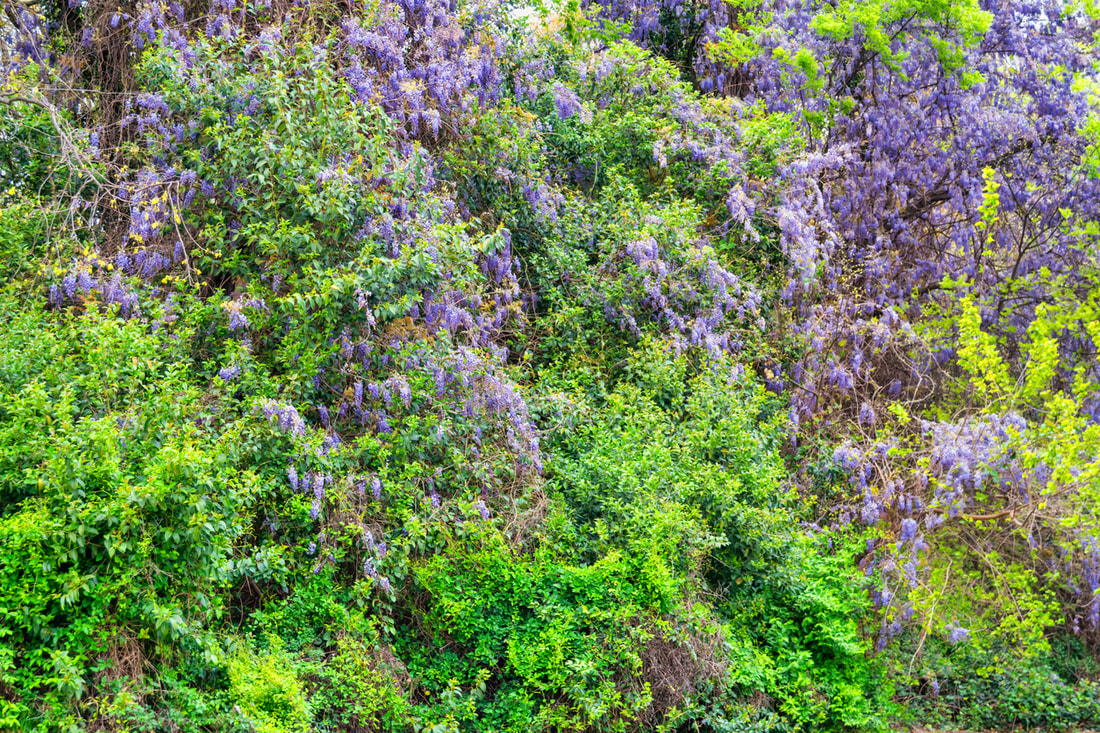
This time of year, it’s hard not to notice the purple flowers of wisteria dangling from the vines that climb up so many of the trees alongside roadsides and other wooded areas. While beautiful and fragrant, wisteria is a bit of a problematic plant, due to its aggressive, if not downright invasive, nature. But fear not! There are both good and bad wisteria species, so if you’re searching for one to add to your landscape, be sure you get one that will behave. Wisteria famously lent its name to the lane where the main characters of the television series Desperate Housewives lived, which perhaps was cleverer than we realized because wisteria often behaves as badly as the characters on that show. In particular, the Japanese wisteria, Wisteria floribunda, and the Chinese wisteria, Wisteria sinensis, have overstayed their welcome in many a garden. What makes these species of wisteria problematic is the vastness of their spread, and the damage and displacement they can do to other plants as they grow.
surface of the ground and root every few inches, before finding something new to climb up, making them nearly impossible to remove later on, while outcompeting other nearby plants.
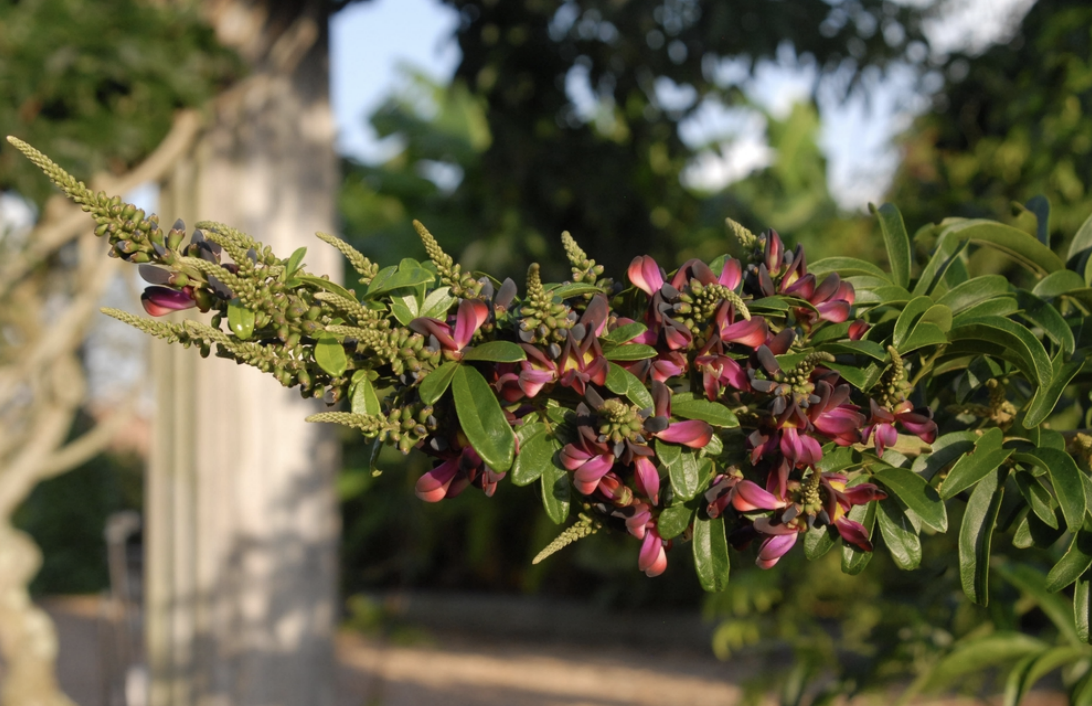
While these wisteria species are problematic and frequently appear on invasive plant lists, there is a native wisteria, Wisteria frutescens. The native is still an aggressive spreader, and one that will need extremely close attention by any gardener trying to grow it in their landscape, but is generally less problematic than the two Asian species. One particular cultivar of the W. frutescens species known as ‘Amethyst Falls’ is considered to be a bit of a dwarf cultivar. Not only does it grow slower and to a considerably more manageable mature size than any other wisteria, it also has smaller leaves, smaller flowers, and even thinner stems. If you’re desperate for a wisteria on your lane, ‘Amethyst Falls’ is the one that will create the least amount of drama for you and your neighbors.
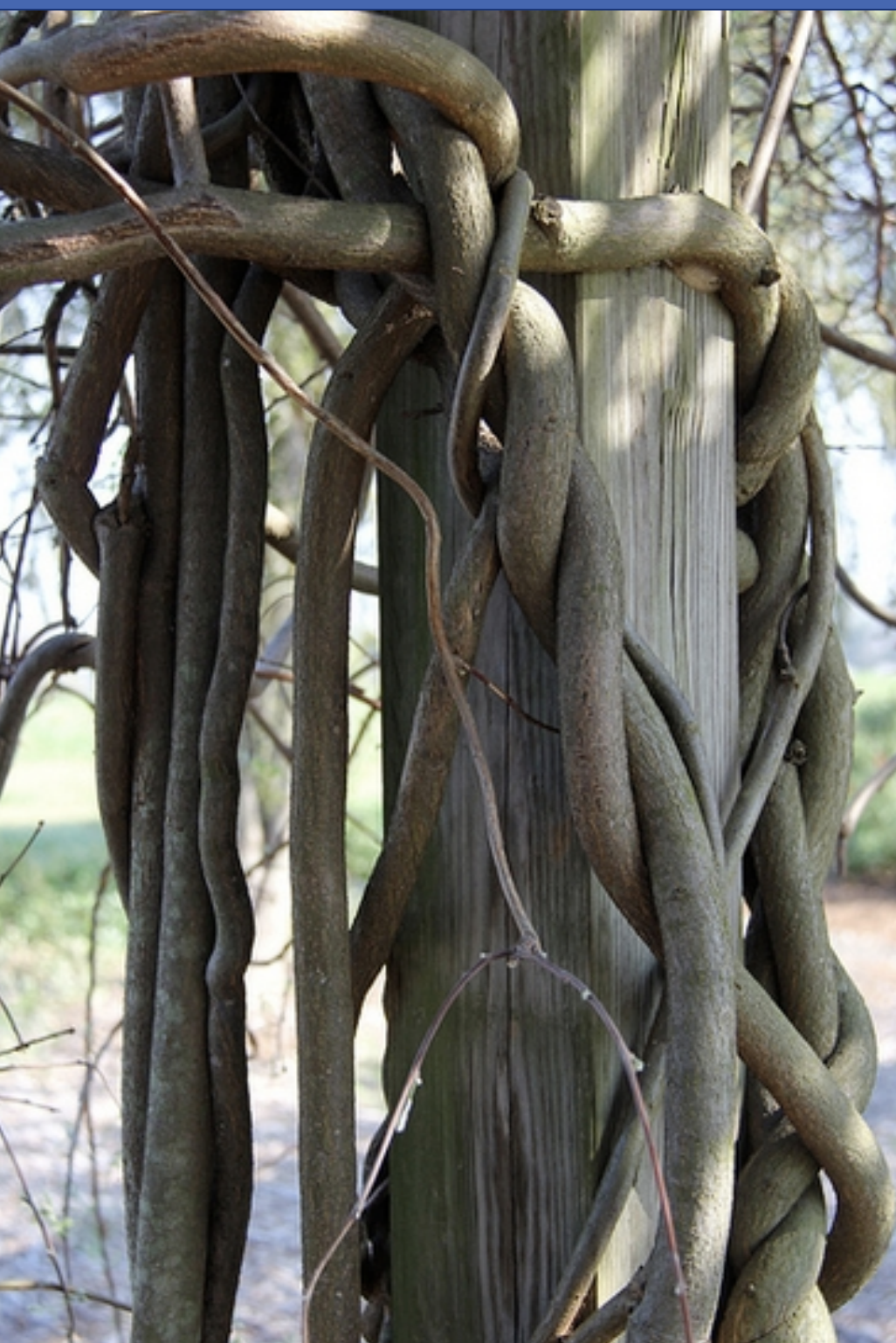
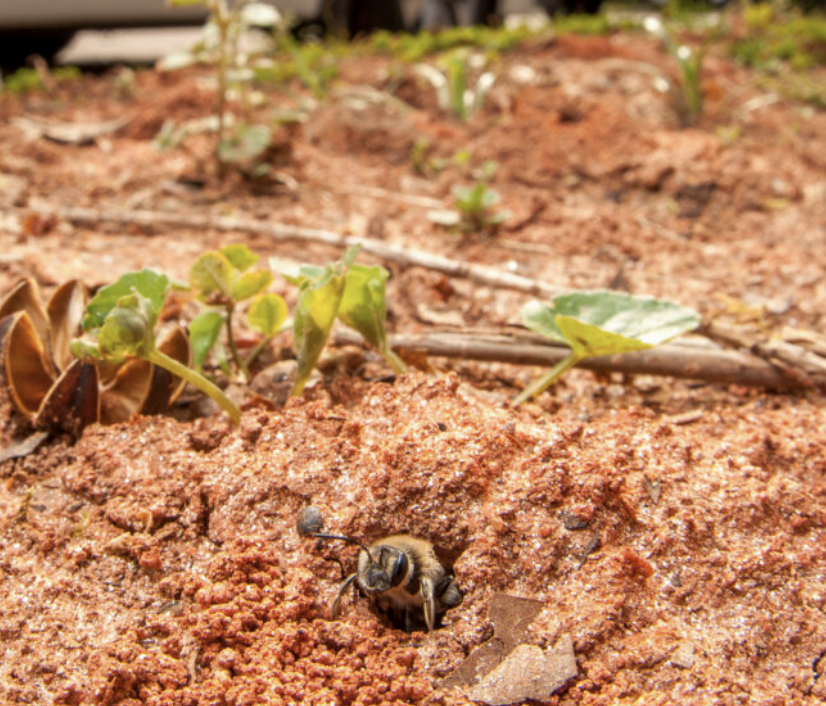
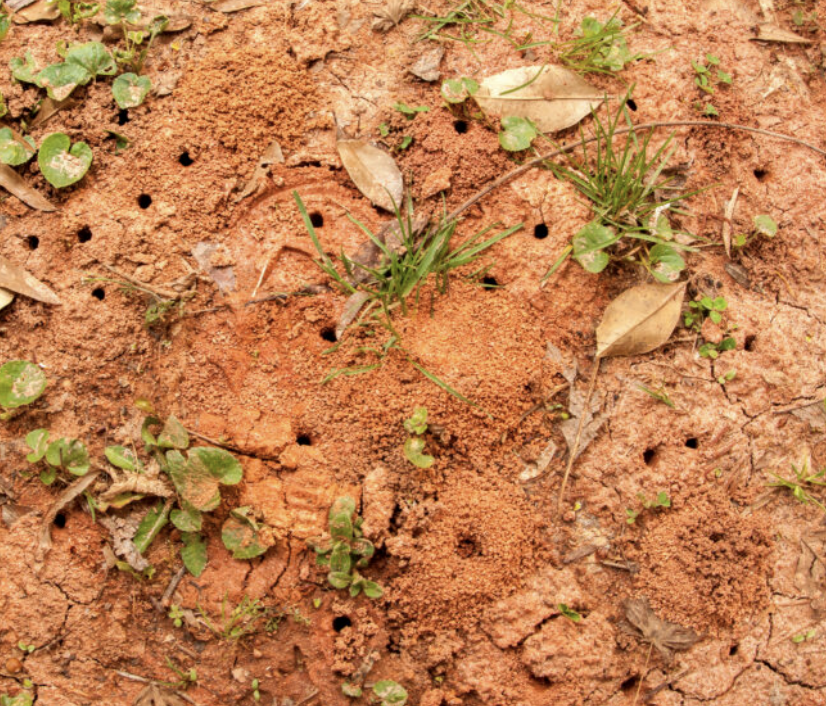
Matthew Stevens is the County Extension Director and Horticulture Agent for North Carolina Cooperative Extension’s Pitt County Center. If you have questions about this article or gardening in general, please contact the Pitt County Extension Master Gardener Infoline at 252-902-1705. Photo 1: The stem of the Wisteria vine twists around a post. Credit: UGA College of Ag and Env., CC BY-NC 2.0 Photo 2: Wisteria frutescens ‘Amethyst Falls,’ credit by Jim Robbins, CC BY-NC-ND 4.0 Photo 3: Wisteria along highways. Credit: Benedek/iStock By Matt S., County Extension Director and Horticulture Agent, Pitt County Though I normally write about plants, there are many insects we encounter while outside gardening. Some can be problematic for our plants, but most are non-pests and many are beneficial. Everyone knows about honey bees, but less well understood are ground-nesting bees such as miner bees. Miner bees are active for a few weeks in early spring and are out and about now.
their nests in the day, the sight of so many bees flying around in the yard at ankle or knee height can be a bit intimidating.
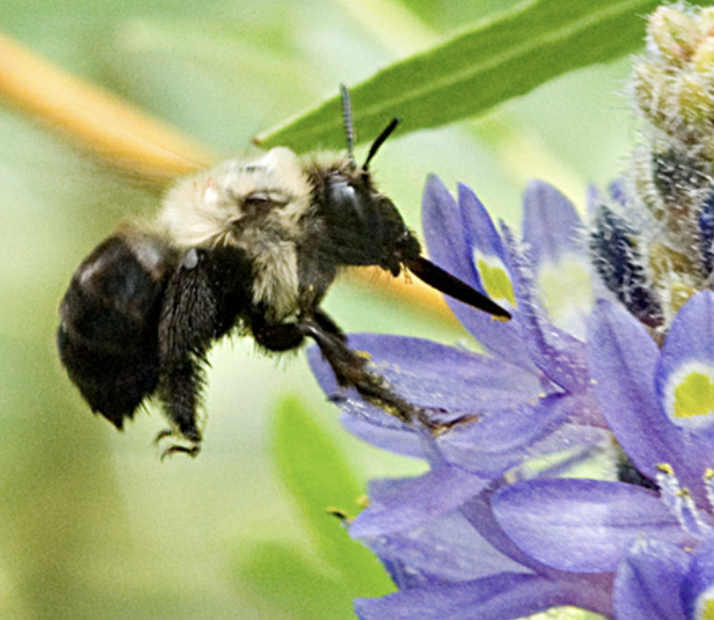
As honey-bee populations decline, the importance of miner bees and other native bee species is increasing, because, though they do not produce honey, they are important pollinators. Miner bees are known to frequent many ornamental and edible flowering plants. Other solitary ground-nesting bees, such as mason bees (Genus Osimia, Family Megachilidae), and digger bees (Genus Anthophorini Subfamily Apinae of the family Apidae), also play an important role as pollinators and lack aggressive characteristics.
heavily watering the area may drive them to nest somewhere else without killing them. Once you’ve successfully relocated them, reseeding the area with grass may prevent them from returning next year.
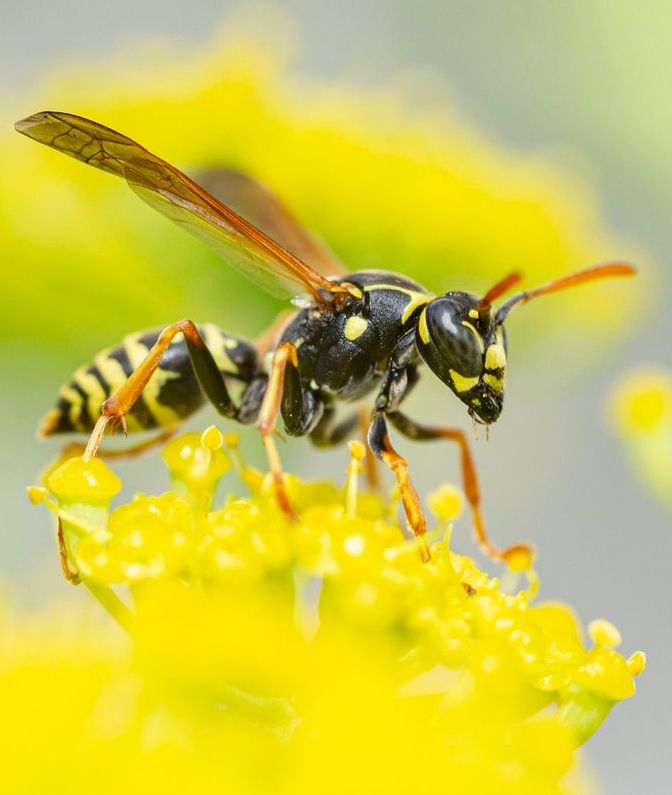
the best way to treat it is to spray into the nest in late afternoon or early evening with a hornet and wasp spray. Most of the colony will be inside the nest at this time of day, so a good strong spray will likely eliminate them.
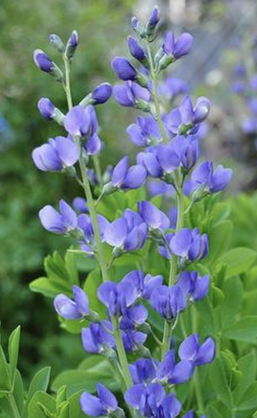
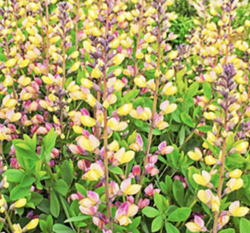
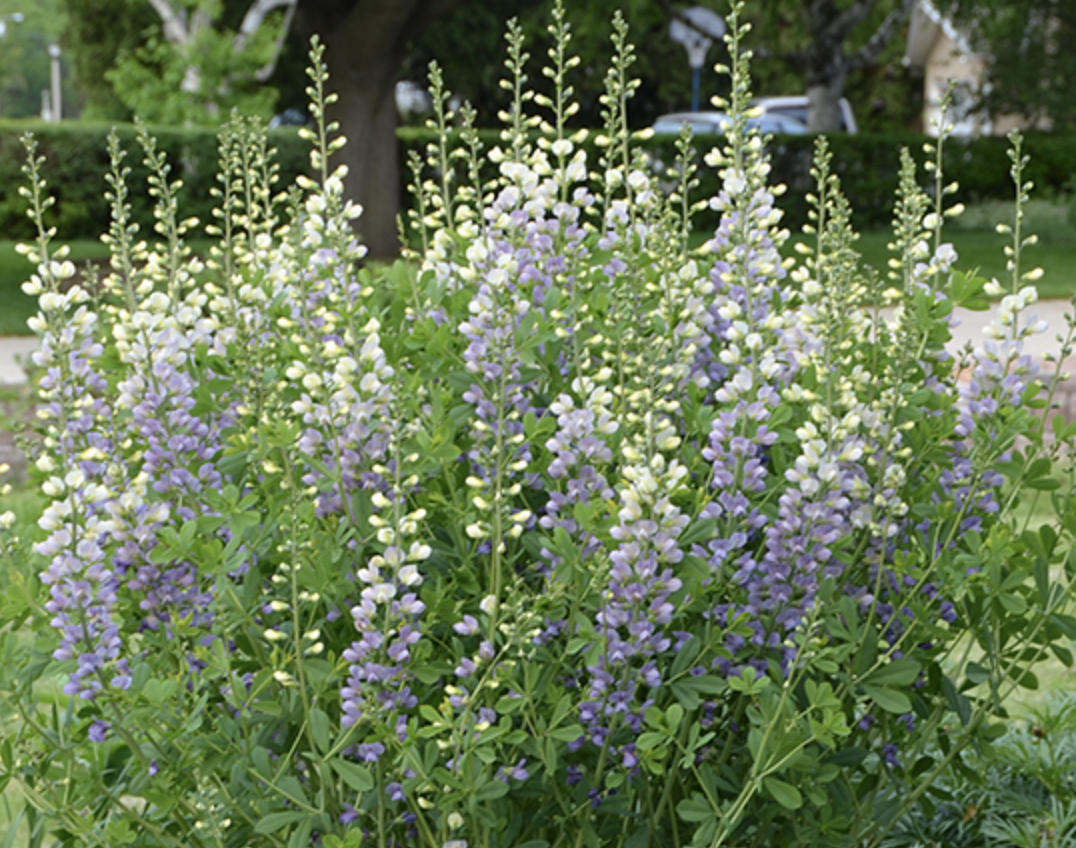
Matthew Stevens is the County Extension Director and Horticulture Agent for North Carolina Cooperative Extension’s Pitt County Center. If you have questions about this article or gardening in general, please contact the Pitt County Extension Master Gardener Infoline at 252-902-1705. Photo 1: Miner bees are important pollinators. Photo by Charles Schurch Lewallen, U.S. Forest Service Photo 2: An Andrena miner bee pokes its head out of a tunnel it made in an urban yard. Photo by Matt Bertone, NC State Photo 3: Andrena miner bees make numerous holes in the ground Photo by Matt Bertone, NC State Photo 4: Yellowjackets pollinate flowers but are aggressive. Photo by IStock credit Apodiam By Matt S., County Extension Director and Horticulture Agent, Pitt County When I was first learning about plants as a teenager while working at a garden center in Massachusetts, one of the first plants that really grabbed my attention was Lupine. I loved the tall flower stalks, and I especially loved the way drops of water collected in the center of their palmate leaves after watering or rainfall. Lupines are seldom seen in the South as they fair better in colder climates to the north and west.
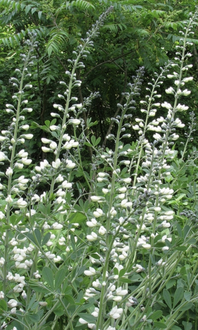
they are typically grown, Baptisia bloom in early spring for us, with flowers emerging in the first part of April into May. Lupines have palmate leaves with up to 7-11 leaflets per leaf, whereas Baptisia have a more typical trifoliate, or three-part, leaf, as do most members of the bean family.
Many hybrid cultivars are derived from these parents, and those cultivars are typically what you will find when shopping for nurseries. One of the most popular of these is ‘Purple Smoke,’ a fast-growing perennial with 4-foot tall purple flower spikes on dark stems. ‘Carolina Moonlight’ is a pale yellow cultivar that is absolutely serene in bloom, while ‘Screaming Yellow’ is a brighter, more intense yellow. There are also a few bicolor cultivars on the market, including ‘Lunar Eclipse’ (white/pale blue), ‘Twilight Prairieblues’ (magenta/yellow), ‘Pink Lemonade’ (pink/yellow), as well as many cleverly named cultivars that make it pretty clear what color they are: ‘Blonde Bombshell,’ ‘Blueberry Sundae,’ ‘Pink Truffles,’ and even ‘Chocolate Chip.’ There’s a color for everyone.
When planting Baptisia, be fairly certain that you want it exactly where it’s going because Baptisia develop a fairly deep taproot and can be difficult to transplant once established. They like full sun and moist, well-drained soil, but can tolerate drought and poor soils. They are a favorite of bees and other insects, have very few pest problems, and are deer resistant, making them a pretty desirable plant to include in a variety of garden settings. Include in pollinator gardens, native gardens, cottage gardens, or anywhere that you can use some early spring color.
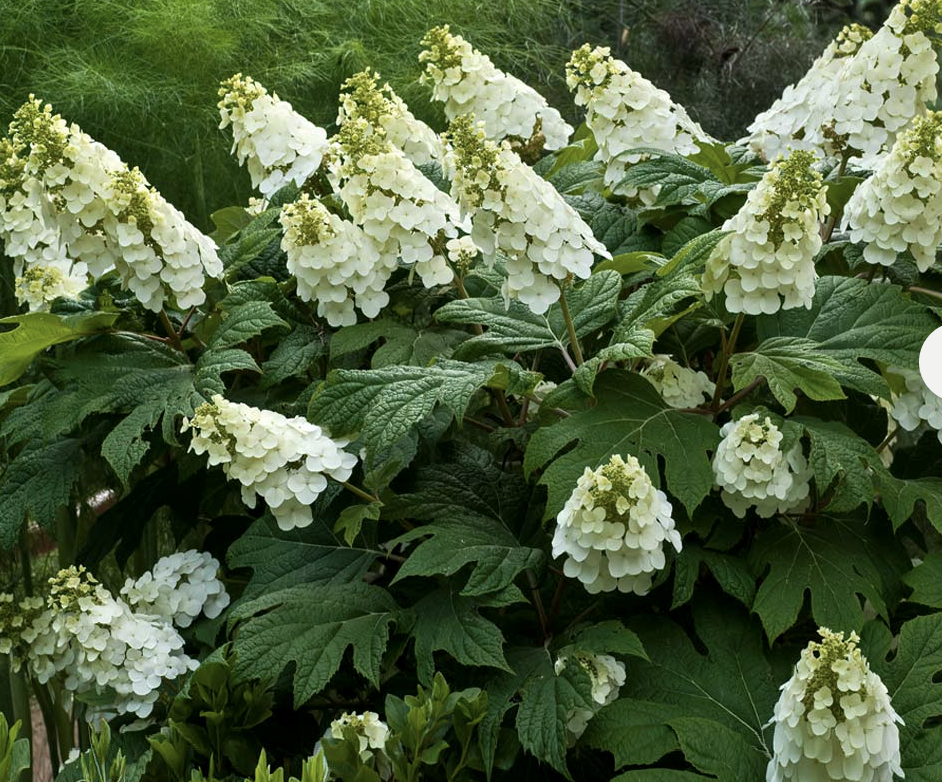
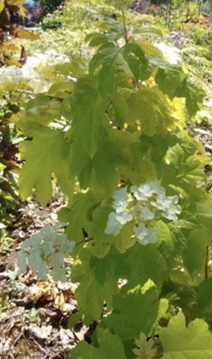
Matthew Stevens is the County Extension Director and Horticulture Agent for North Carolina Cooperative Extension’s Pitt County Center. If you have questions about this article or gardening in general, please contact the Pitt County Extension Master Gardener Infoline at 252-902-1705. By Matt S., County Extension Director and Horticulture Agent, Pitt County Hydrangeas are one of the most popular southern landscape plants, and with good reason. Their large colorful flower heads are impossible to ignore, and the subtle changes in color at different stages in their long bloom period are a trait that very few plants offer. When most gardeners think of hydrangeas, it is the mophead type, Hydrangea macrophylla, that generally comes to mind. While the mopheads are excellent plants, my favorite has always been the Oakleaf hydrangea, a southeastern U.S. native.
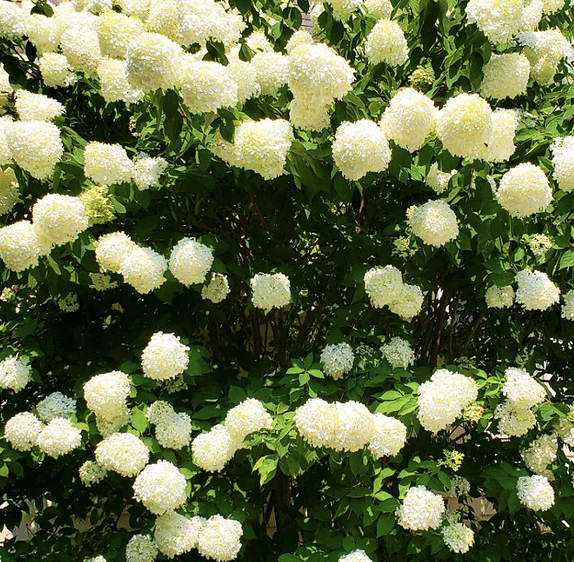
Of course, it wouldn’t be a hydrangea without a large, impactful bloom. Oakleaf Hydrangeas generally start blooming in late May or early June. Flowers are white and the individual blossoms form large panicles that are more conical than rounded. Flower clusters can reach as long as 12 inches and are 3 to 4 inches wide. Petals will gradually fade to a rosy pink color during the summer, before finishing almost tan in fall. Their flowers may have a light fragrance, though it is not overwhelming. Many gardeners like to use the flowers for drying, as they hold up well after cutting. To me though, what really sets the Oakleaf Hydrangea apart from its relatives is the amazing fall color it generates in October and November. As temperatures cool and days shorten, the leaves change from their usual dark green to an almost purplish-red. In the early stages of this change, the veins on each leaf will often stay green for several days after the rest of the leaf has turned color, which makes a unique sort of variegated look not typically seen among plants in fall. In many landscapes, Oakleaf Hydrangea is the most eye-catching plant during late fall.
Oakleaf Hydrangea is a native plant that performs fantastically in our area. Unlike Hydrangea macrophylla, which is typically one of the first plants to droop during periods of dry weather, Oakleaf Hydrangeas are tolerant of a wide range of climate and soil conditions and free of any major insect and disease pests. Nurseries and plant propagators will report that Oakleaf Hydrangea can be a bit difficult to get started, but once it makes it into the ground at your home, it will almost certainly be problem free.
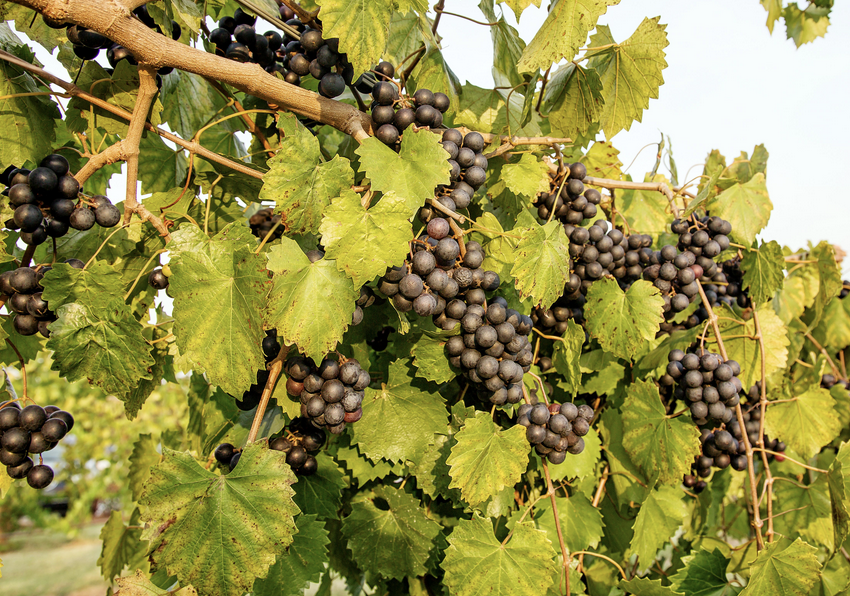
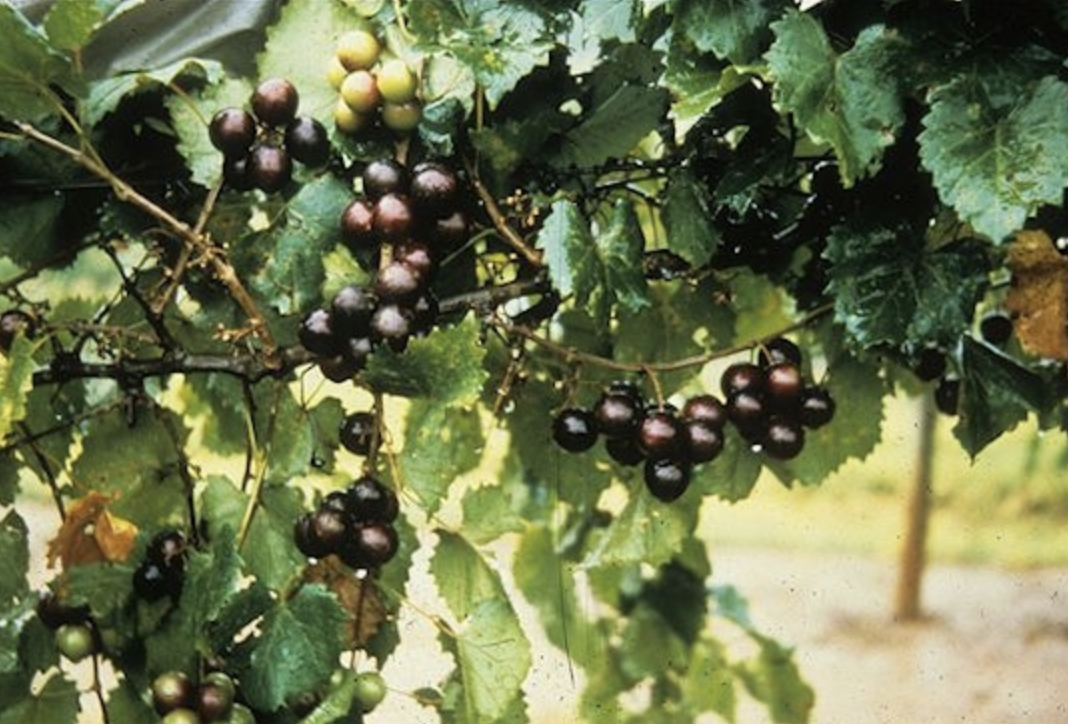
Most Oakleaf Hydrangea will grow to about 6-8 feet high and wide, though there are cultivars that are smaller. ‘Pee Wee’ is a popular dwarf cultivar, and ‘Little Honey’ is a semi-dwarf type with golden yellow foliage during the summer. Matthew Stevens is the County Extension Director and Horticulture Agent for North Carolina Cooperative Extension’s Pitt County Center. If you have questions about this article or gardening in general, please contact the Pitt County Extension Master Gardener Infoline at 252-902-1705. By Matt. S. You can’t travel far in northeastern North Carolina without passing a home with muscadine grapes growing in the backyard. Many of those vines we see have been growing for decades and the care of them has been passed down from one family member to the next. Or, perhaps, been forgotten.
other assorted varieties of muscadines are harvested throughout North Carolina from August through early October.
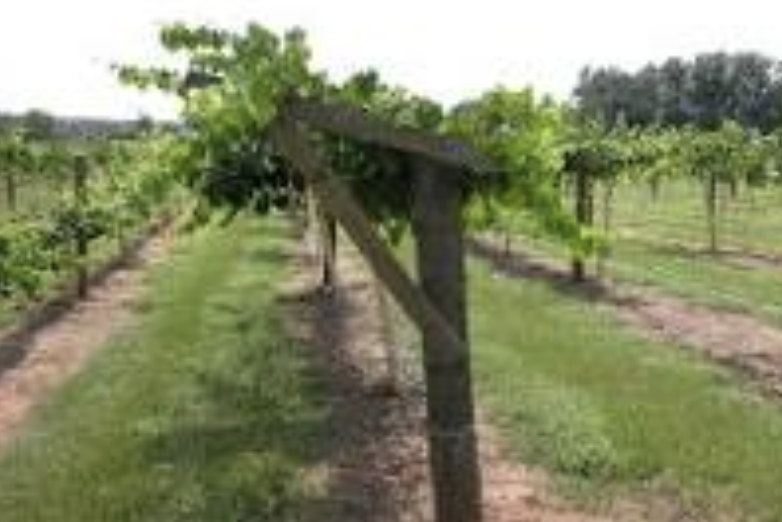
grapes (again, Scuppernong is a variety of muscadine, not an entirely separate type, as some mistakenly believe). Both bronze and black muscadines make wonderful jams, jellies, pies, juices, and wines. Grapes produce fruit on new growth and therefore need to be pruned yearly to maintain regular fruit production. Grapes that have been unpruned for many years will gradually become less productive, as these vines will have less and less new growth each year. The exact style of pruning depends on how the grapes have been trained. The most efficient training method for fruit production is to grow the grapes on a trellis resembling a clothesline and shape the vine such that its trunk and two main branches for the shape of the letter T. Many side shoots will sprout from each of the two main branches, with some stretching to as long twelve feet in a given year. Each of those side shoots can be pruned back to about 3-4 inches. Late January through February is generally the best time to prune. The vine will appear nearly bare following pruning, but will quickly replenish when new growth starts in spring. You may see some sap drip or bleed from the freshly cut vines. A small amount of bleeding is normal and shouldn’t be much cause for worry, but the warmer the temperatures, the more bleeding you’ll see from each pruning cut. This is why pruning is best done in the dormant winter season before spring begins.
While regular pruning is needed to encourage the new growth that ultimately produces fruit, keep in mind that if vines have gone many years between trimmings, heavy pruning will sometimes cause a temporary setback in fruit production. If you can’t remember the last time your vines have been pruned, but they still produce a small amount of fruit each year, you may consider dividing the structure the vines are growing on into thirds and pruning one section each year, so that the vines can be rejuvenated without completely missing out on fruit for a year or two.
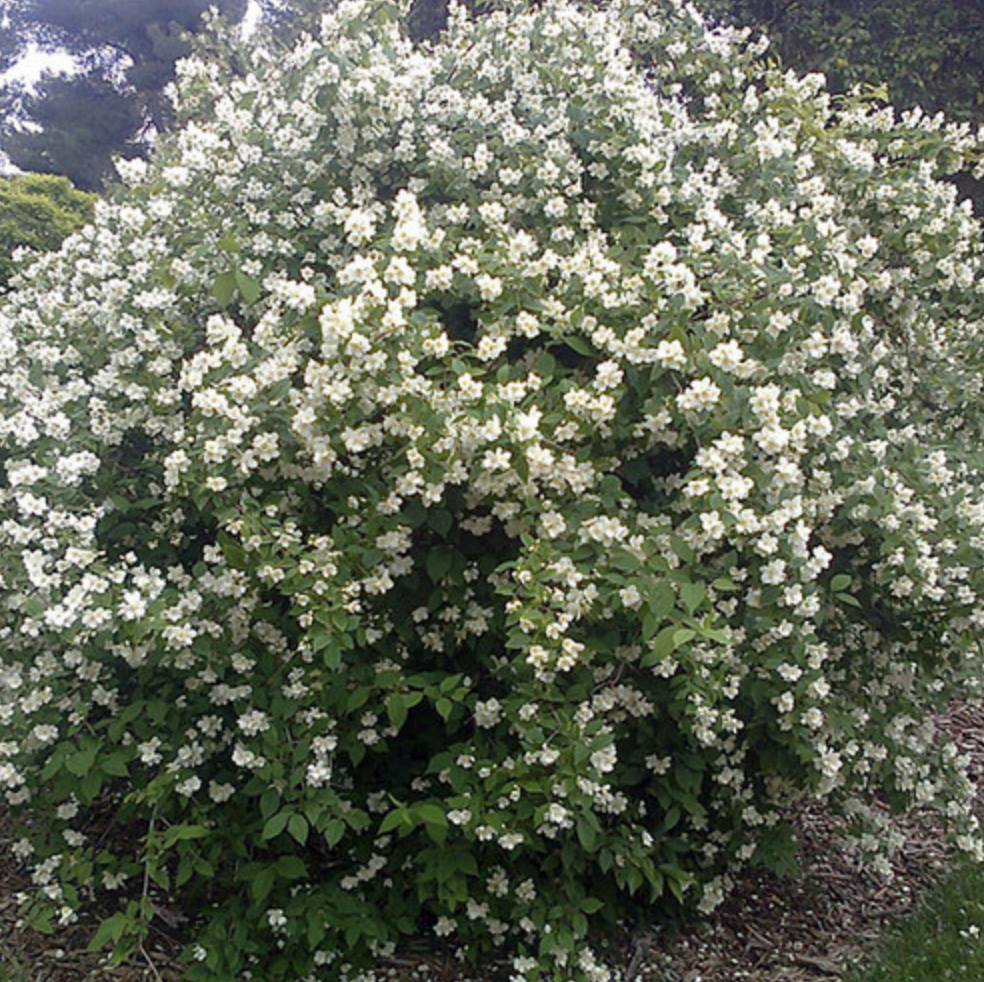
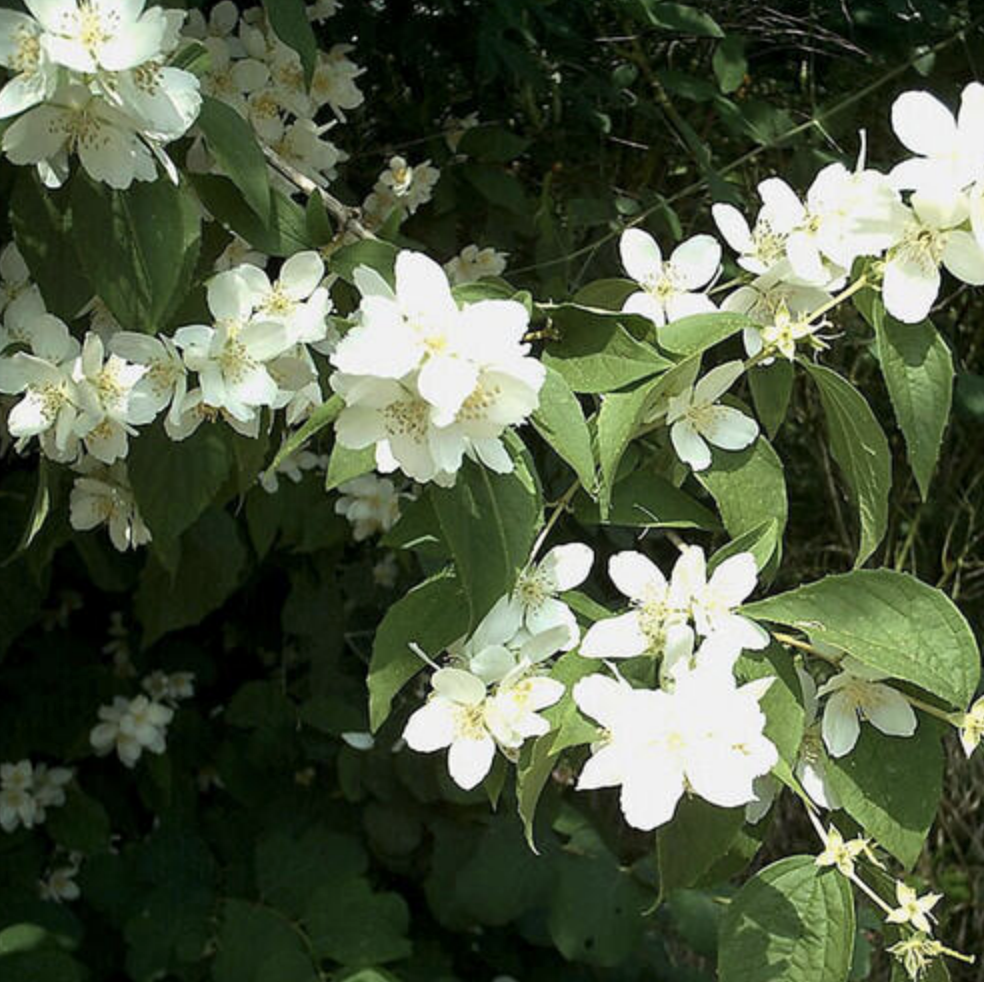
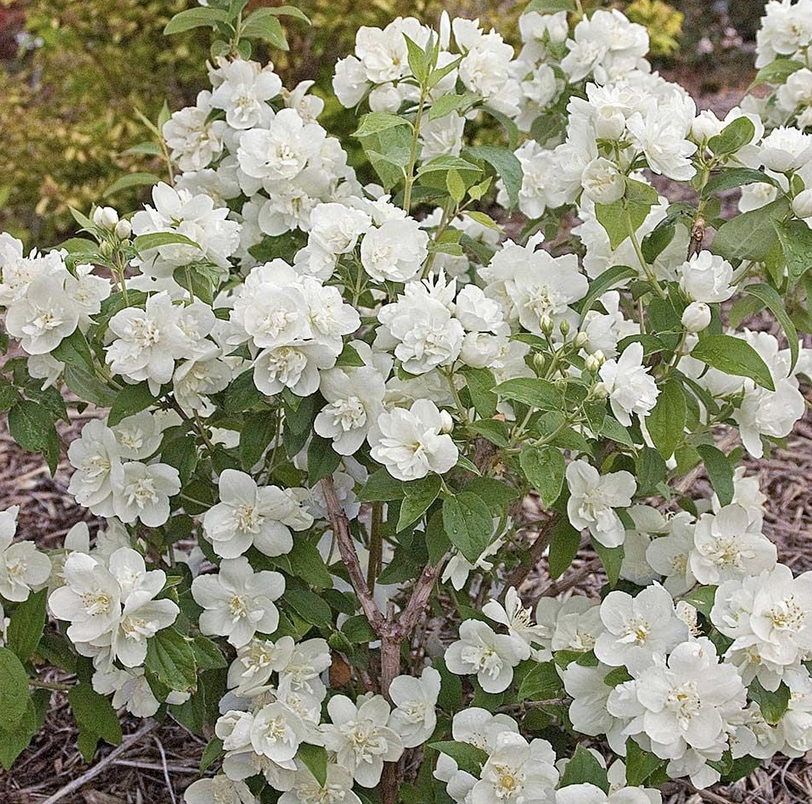
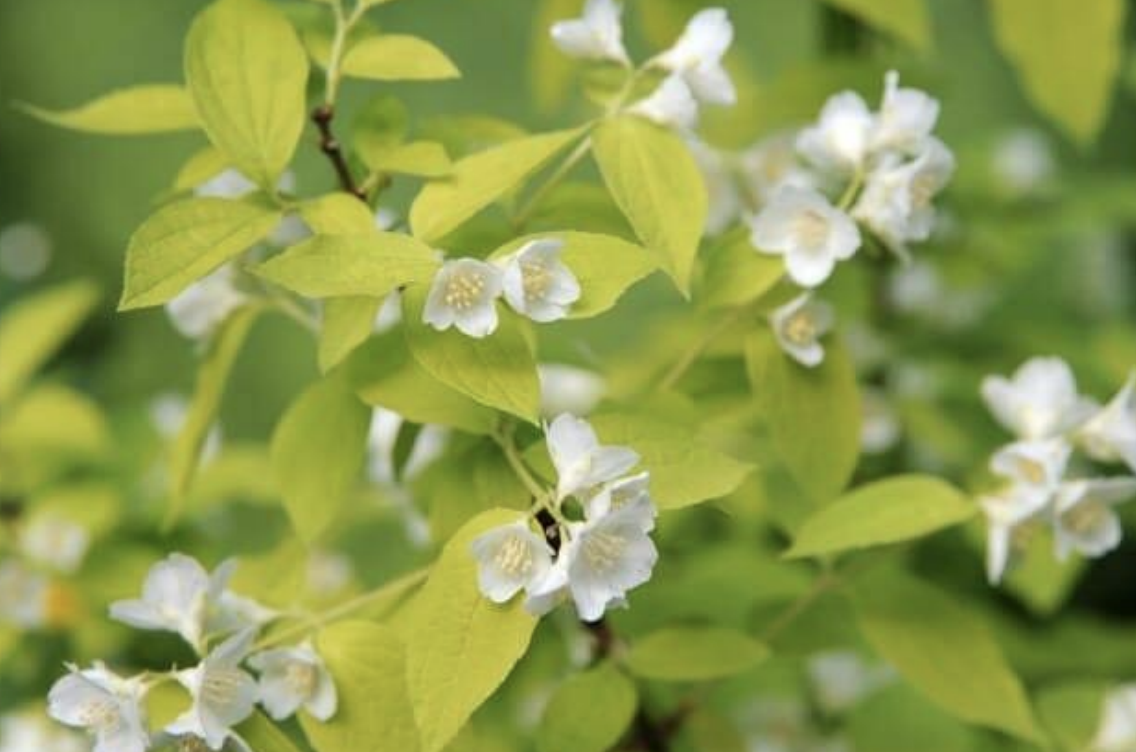
Matthew Stevens is the County Extension Director and Horticulture Agent for North Carolina Cooperative Extension’s Pitt County Center. If you have questions about this article or gardening in general, please contact the Pitt County Extension Master Gardener Infoline at 252-902-1705. By Matt Stevens, County Extension Director and Horticulture Agent, Pitt County In some ways, the plant world is no different from the worlds of music, fashion, and art. Things go in and out of style. Many plants that are common now weren’t often used in landscapes twenty or thirty years ago, while many that were more en vogue back then are rarely seen now. One such relic of landscapes past is the Mockorange (Philadelphus coronarius). In fact, it was already a bit of a relic 30 years ago when I started paying attention to plants.
you can enjoy its fragrance. Lastly, you’ll want that spot to also be somewhere that the Mockorange can hide amongst other plants after it has finished blooming and become less interesting. Mixed borders, where there are several different types of shrubs planted together, are good places to locate Mockorange. If placed on the back edge of such a border, you can walk along the back edge to enjoy the fragrance but view the border from the front during the remainder of the year.
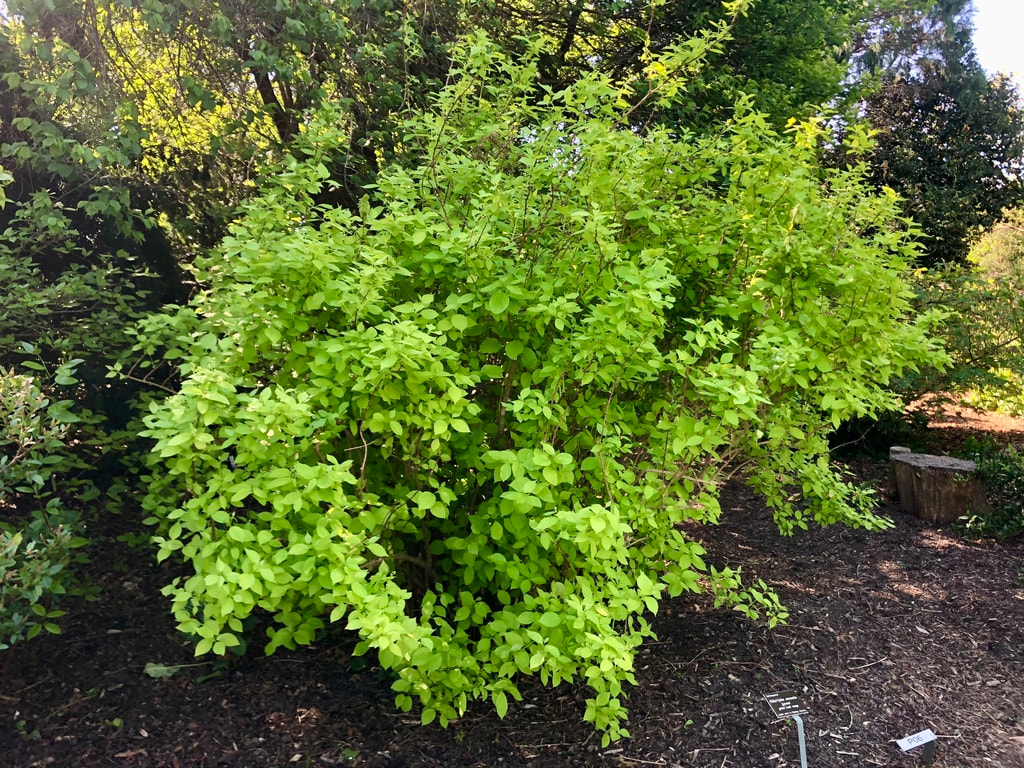
Though Mockorange is a bit of an old-time plant, a few newer hybrid cultivars have been introduced to the nursery trade. ‘Snow White Fantasy’ is a 5 foot-tall cultivar with double flowers. While double flowers are often less fragrant than single ones, ‘Snow White Fantasy’ has excellent fragrance. ‘Snowbelle’ is another double flowering variety with good fragrance that grows only to 3-4 feet tall. With their smaller size, either of these cultivars is a little easier to incorporate into the average landscape than is the standard mockorange. Additionally, ‘Icezam’ is a cultivar with white and green leaf variegation, and ‘Aureus’ has chartreuse-colored leaves. Their additional aesthetic characteristics and multi-season interest make ‘Icezam’ and ‘Aureus’ more appealing in modern landscapes than the standard Mockorange.
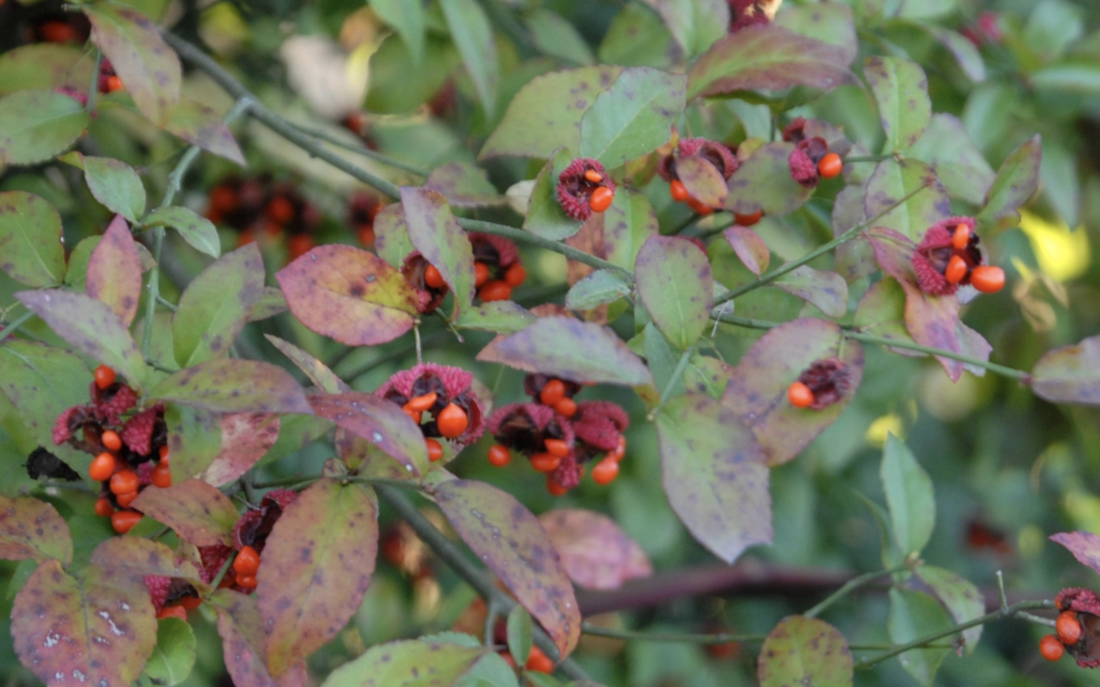
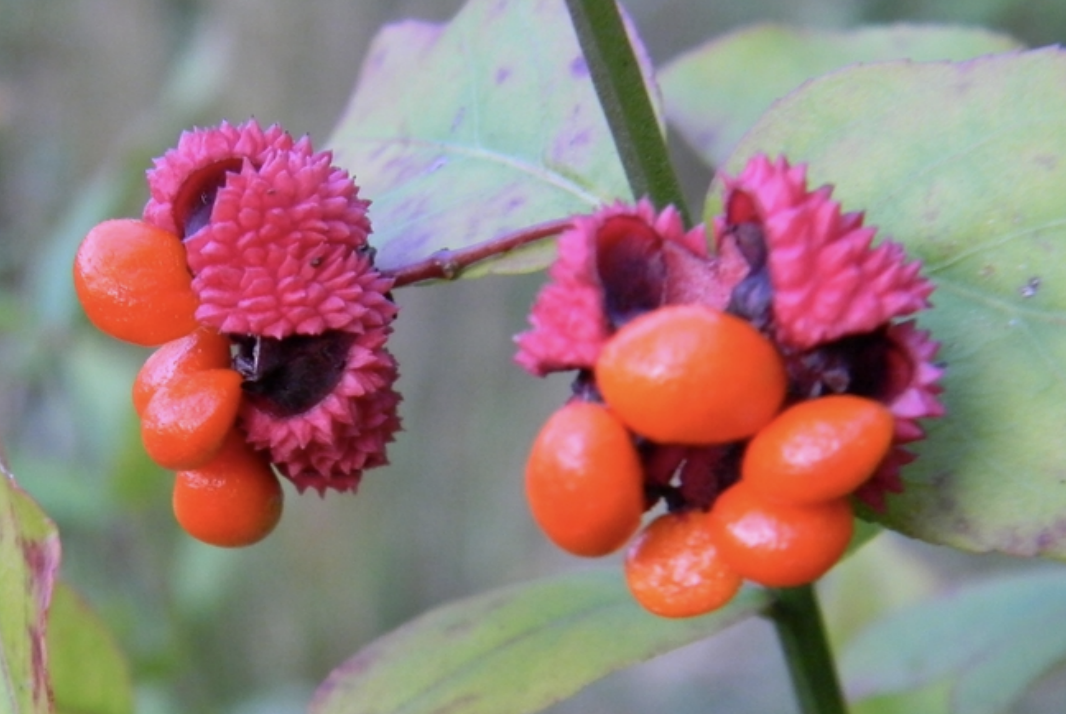
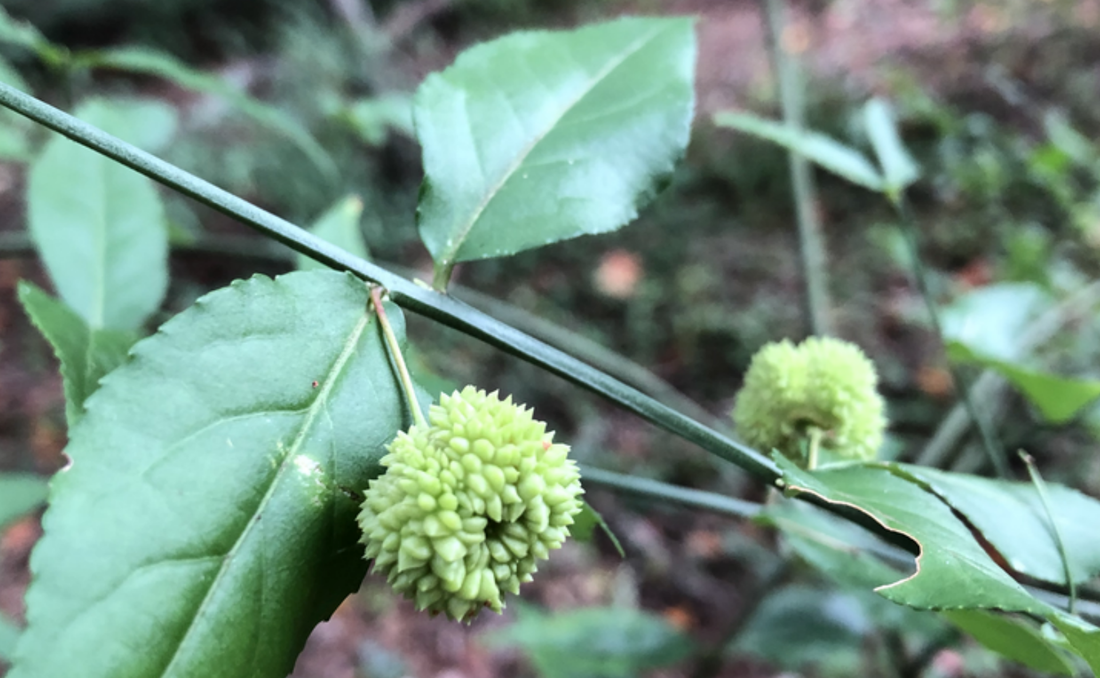
Matthew Stevens is the County Extension Director and Horticulture Agent for North Carolina Cooperative Extension’s Pitt County Center. If you have questions about this article or gardening in general, please contact the Pitt County Extension Master Gardener Infoline at 252-902-1705. By Matt Stevens, County Extension Director and Horticulture Agent, Pitt County The many benefits of using native plants in landscapes instead of non-natives are often touted by native plant enthusiasts. Many will tell you that natives are better adapted to our local climate and to our local soils, that they have fewer pest problems, and that they are less invasive. I don’t mean to sound skeptical, as I believe these claims are indeed true, provided the native plants are planted in the right locations (more on that in a minute), but one of the often overlooked reasons to plant natives is that many of them are simply really cool plants. I’ve always been drawn to plants that are just a little bit odd, and our native Euonymus americanus, aka Strawberry bush or Heart’s-a-bursting, is certainly one that fits that category.
of these, but will bear little immediate resemblance to any of them in most gardeners’ eyes. Though most of the other Euonymus species are rather densely foliated, Strawberry bush has an open, almost airy form, with relatively delicate leaves. Both leaves and stems are the same shade of kelly green, with only the oldest stems having a more traditional brown twig color. The leaves are deciduous and have a reddish fall color. Strawberry bush has tiny white flowers during May, though they are not overwhelmingly eye-catching.
name, Hearts-a-bursting, is a reference to the appearance of the fruit after it’s split open. The fruit aren’t as abundant on each bush as the berries on a holly or beautyberry bush, but they are the type of thing that you see and immediately say, “What the heck is that?”
placement. Strawberry bush grows best in partial shade and moist soils. Some resources will tell you that they can also tolerate drought and full sun, but I have never seen one thriving in those conditions and thus it seems best to plant them in our landscapes in areas similar to where they grow naturally–moist, wooded areas with high organic matter soils.
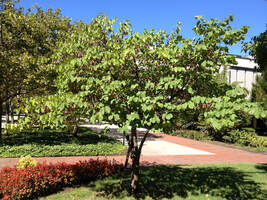
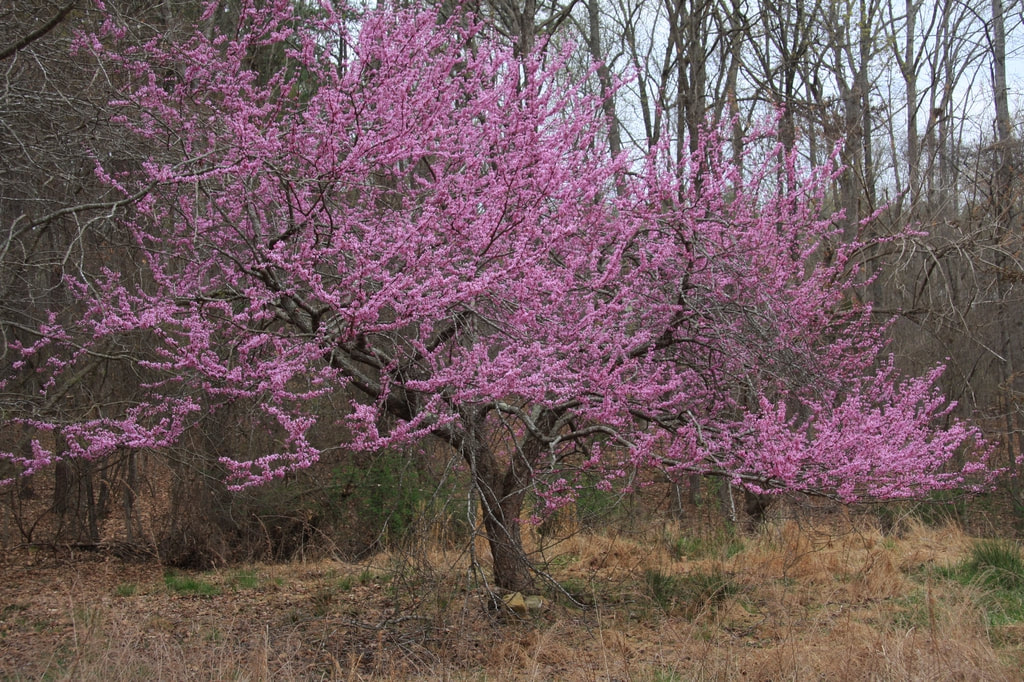
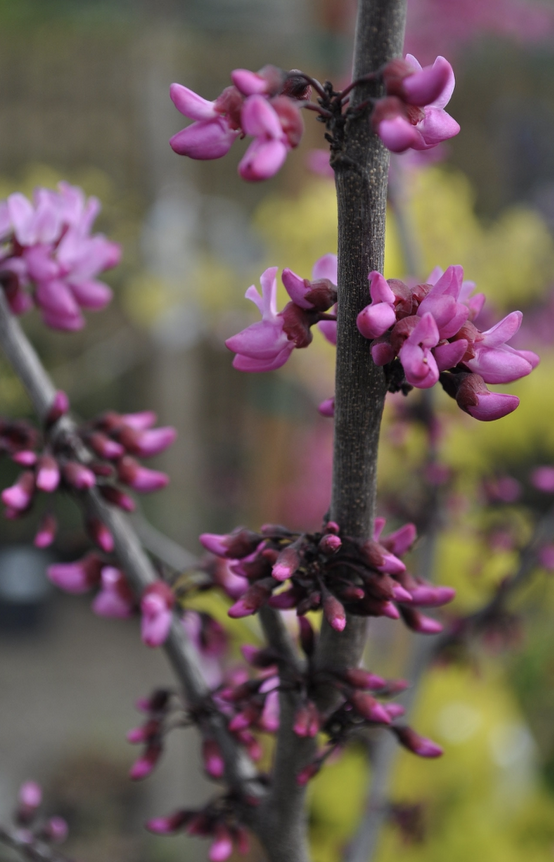
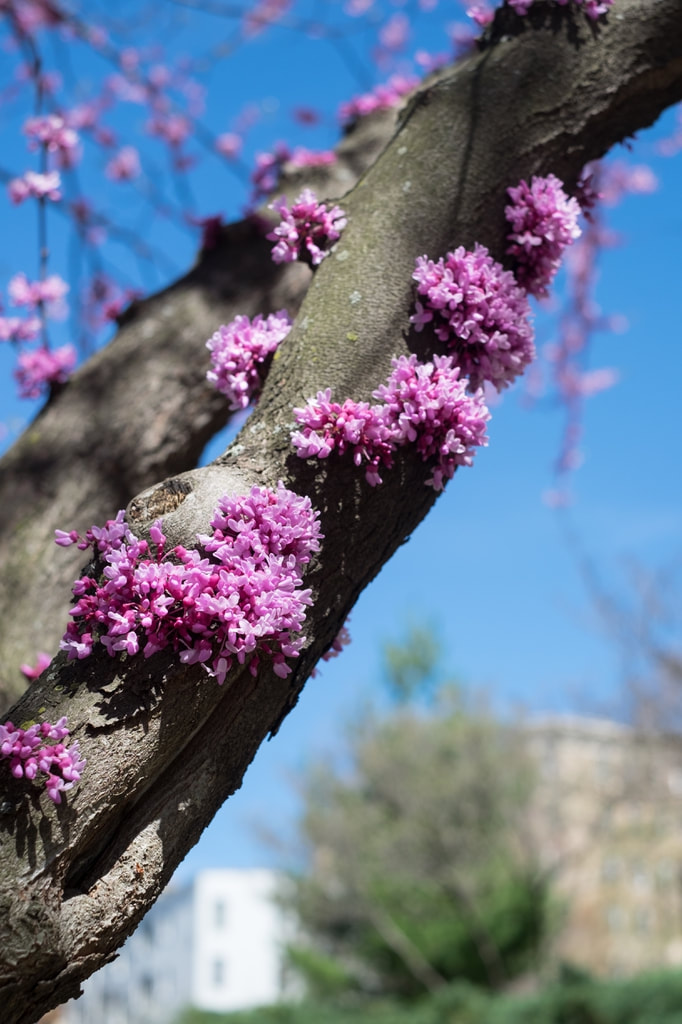
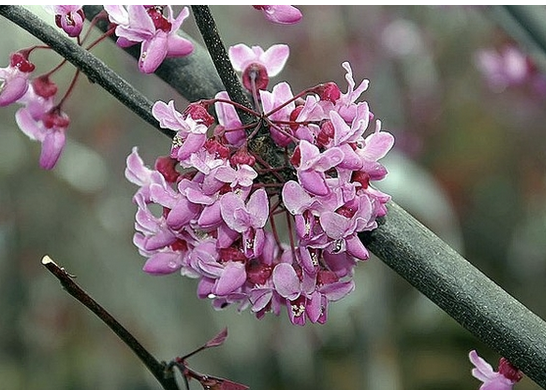
Matthew Stevens is the County Extension Director and Horticulture Agent for North Carolina Cooperative Extension’s Pitt County Center. If you have questions about this article or gardening in general, please contact the Pitt County Extension Master Gardener Infoline at 252-902-1705. One of the first signs of spring is the bloom of the redbud trees. The Eastern Redbud (Cercis canadensis) is native to much of the eastern United States and Canada. It hides inconspicuously in the edges of wooded areas, along roadsides or backyards, for much of the year and then gives a spectacular show of color in March when temperatures first start to warm after a long winter. The floral buds are a reddish purple, but open to lighter shades of pink. Floral color lasts for a few weeks.
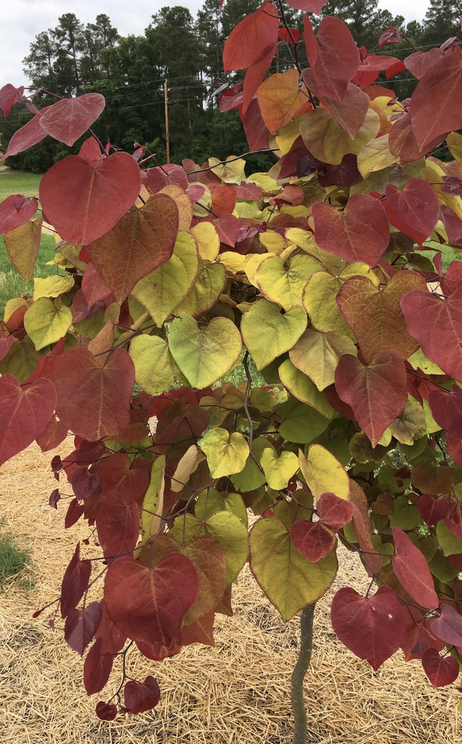
The Eastern Redbud (Cercis canadensis) in summer form and in spring bloom
occasionally do some light feeding. The leaves are very thin, so when planted in too much sun, they are susceptible to browning around the edges.
in breeding and introducing new cultivars of redbuds and boasts an impressive collection of those releases. These include cultivars such as ‘Flame Thrower’, ‘Ruby Falls’, ‘Merlot’, and ‘Hearts of Gold’.
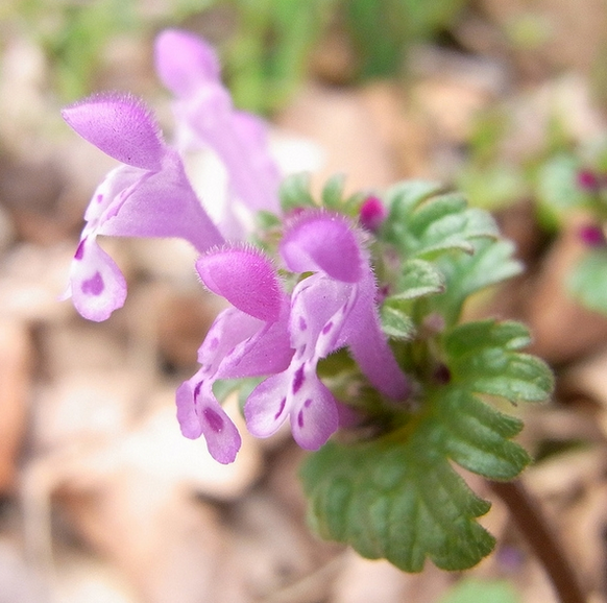
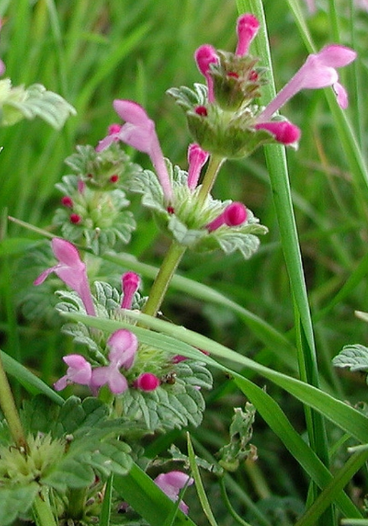
Matthew Stevens is the County Extension Director and Horticulture Agent for North Carolina Cooperative Extension’s Pitt County Center. If you have questions about this article or gardening in general, please contact the Pitt County Extension Master Gardener Infoline at 252-902-1705. Flowers in the landscape are usually a welcome sight, particularly at the beginning of spring. However, when those flowers pop up in unusual places, it can become cause for concern or confusion. After all, the definition of a weed is simply a plant growing out of place. With that in mind, I wanted to talk today about a common winter weed that is just starting to bloom.
seeds are often carried by water, it is common to see patches of henbit in low areas in the lawn, or near ditches.
If you’re the type that is not willing to tolerate weeds in the lawn regardless of circumstance, then herbicides are an option, although now is not the ideal time to treat henbit with herbicides. Winter annual weeds such as henbit are best controlled by using a pre-emergence herbicide in the fall, similar to the way we treat for crabgrass in the spring. This is actually the best defense against these types of weeds, since it is much harder to kill them by the time they are flowering. Unfortunately, many people don’t think about the weed until it starts to flower, and by then pre-emergence herbicides will do no good. Make a note on your calendar in September to apply a pre-emergence herbicide for henbit and other winter annual weeds.
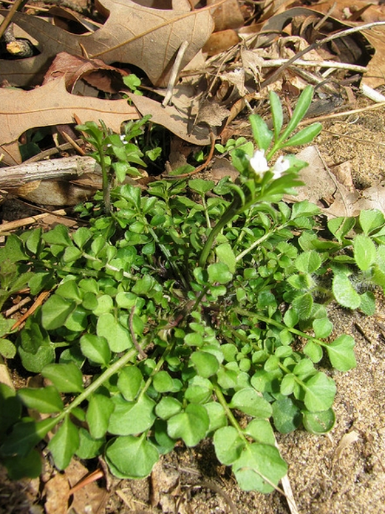
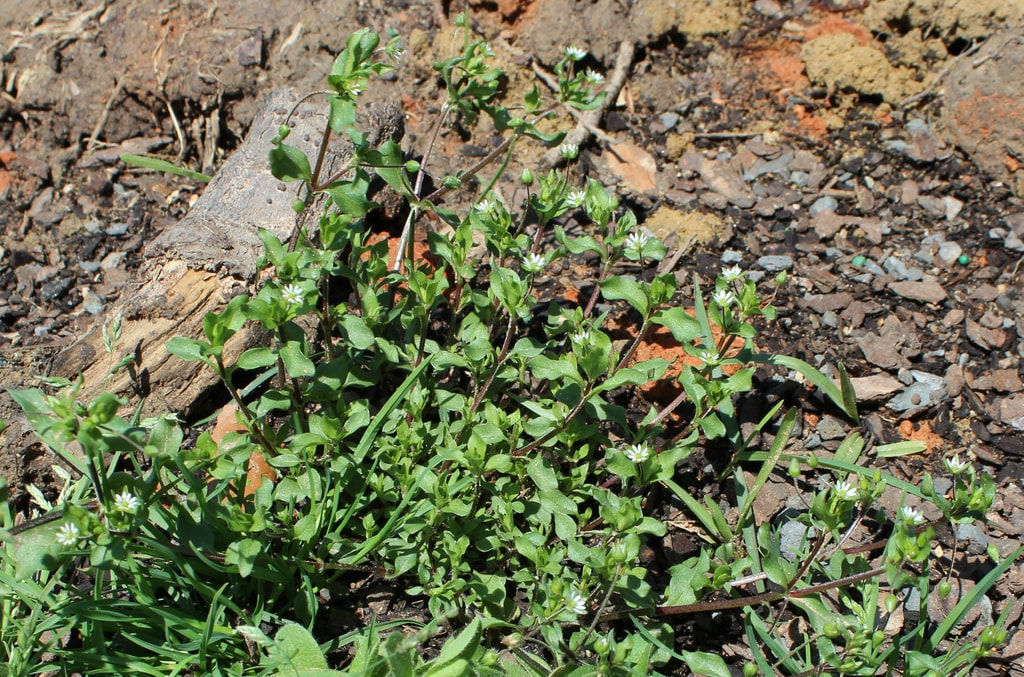 Chickweed, stellaria media
The best defense against these weeds returning to your lawn each year is to grow a healthy stand of grass. While that sounds simple enough, growing healthy grass involves a number of different management practices, including proper watering, mowing, fertilization, and early detection and control of insect, disease, and weed problems. A healthy lawn will out-compete the majority of weed species.
Matthew Stevens is the County Extension Director and Horticulture Agent for North Carolina Cooperative Extension’s Pitt County Center. If you have questions about this article or gardening in general, please contact the Pitt County Extension Master Gardener Infoline at 252-902-1705. Photos: https://plants.ces.ncsu.edu |
Matt Stevens
Pitt County Extension Director & Horticulture Agent Archives
July 2024
Categories |
 RSS Feed