The Pitt County Arboretum
  • Home Page
  • What's In Bloom
  • About
    • Staff
    • Master Gardeners
    • Map
    • Stay in Touch
  • Visit
    • Visitor Information
    • Visitor Etiquette
    • Tours
    • Pitt County Agricultural Center
  • Our Gardens
    • Our Gardens
  • Blog
  • Director's Choice
  • 2025 and Earlier
    • 2025
    • 2024
    • 2023
    • What's in Bloom 2025 and Earlier >
      • WIB 2025
      • WIB 2024
      • WIB 2023
      • WIB 2022
    • Northside Plant Walks
  • Support
    • Plant Sale
    • Friends of the Arboretum >
      • Membership
      • Giving
    • Volunteer
  • Resources
    • Guides
    • Videos
    • Photo Gallery
  • Contact

Welcome to the Blog!

Vegetables to plant now

2/21/2023

1 Comment

 
By Joanne K., Pitt County EMGV
Picture
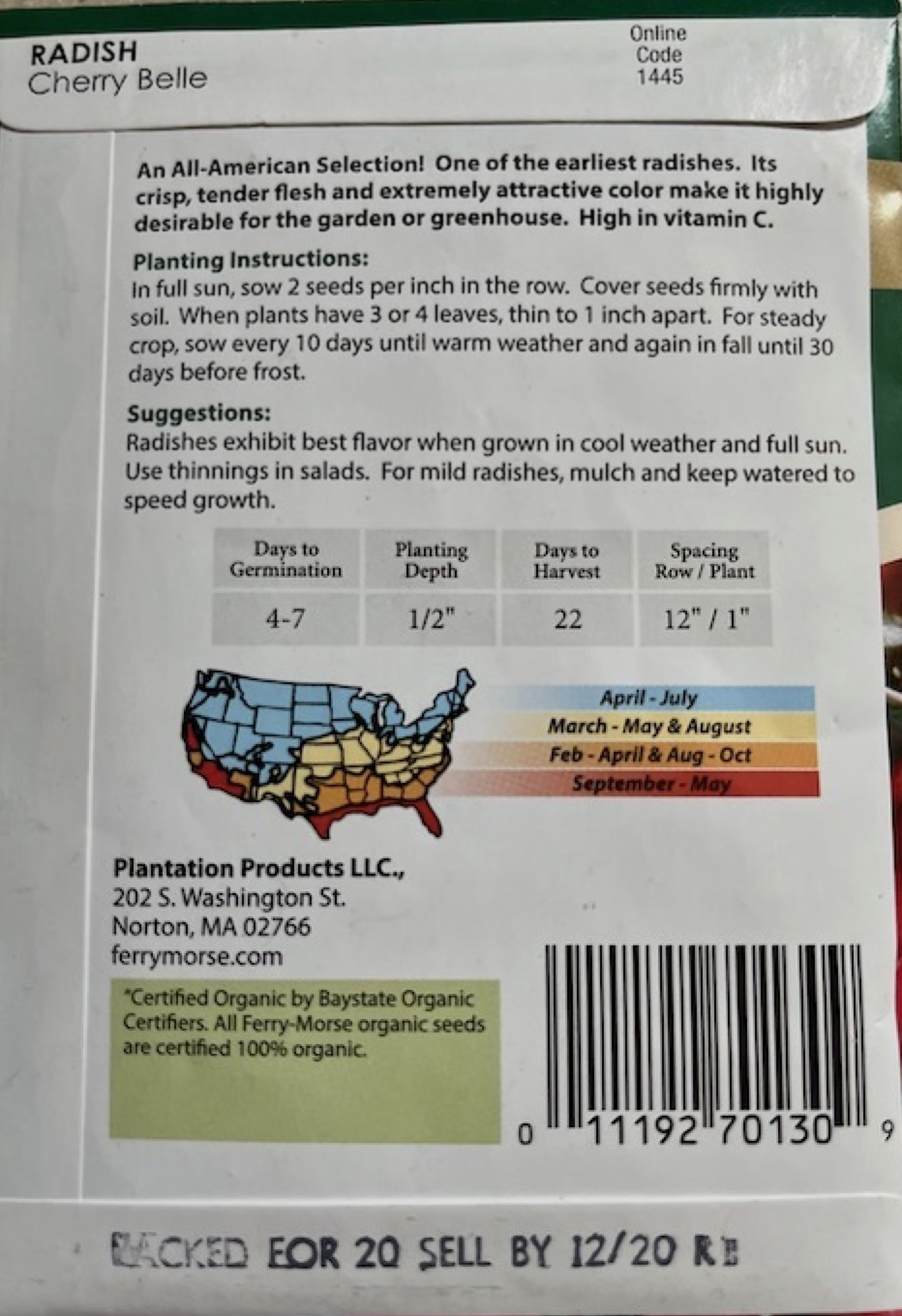
Seed Packet. Raphanus raphanistrum subsp. sativus Radish
Our warmer than usual winter has gardeners itching to start planting their vegetable gardens. Visions of freshly picked greens, ears of corn, and tomatoes tickle the tastebuds with the promise of wonderful flavors to come.

It’s  time to put in those cool season crops that thrive in the low temperatures and humidity of early spring. Also, there is less pressure now from potential pests that may attack your crops.

In February and March, the following crops can be put into the ground from seeds and transplants.

From Seed—arugula, beets, carrots, Chinese cabbage, cilantro, dill, fennel, kale, lettuce (head and leaf), mustard, onions, parsley, peas (bush, field, and vining), radishes, spinach, sweet corn, Swiss chard, turnips.

 From Transplants—broccoli, cabbage, cauliflower, celery, collards, kale, lettuce (head and leaf), onions (green), parsley, Swiss chard.

Although you may see tomato and pepper plants for sale now, it's very risky to plant them so early because a late cold spell could kill your plants or, at minimum, stunt their growth. Tomato and pepper plants require warm weather to thrive.

Picture
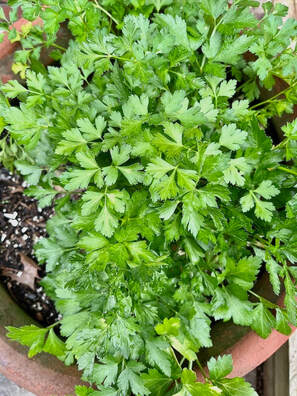
Petroselinum crispum Flat Leaf Italian Parsley
But if you can't resist the allure of an early harvest and decide you must transplant your tomatoes now, be prepared to cover them if a frost warning is issued.

It’s best to buy and plant your tomato and pepper transplants after March 30, Eastern NC's last average frost date. If you want to grow your own pepper and tomato transplants, start the seeds 6 to 8 weeks before their recommended transplant date, which is April 15 for both plants.

While all of these vegetables and herbs can be planted directly in the ground, you may prefer to grow them in a container garden if you have limited space or prefer the ease of maintaining a container garden. 

When planting in pots, be sure to use potting soil rather than garden soil, which will compact and drain poorly.

Potting soil also reduces the chances of weeds and soil-borne diseases.

Most potting soils incorporate fertilizers, which will get your plants or seeds off to a great start.

Picture
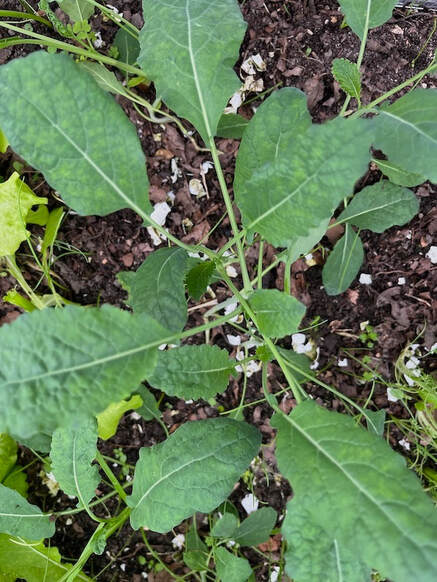
Brassica oleracea (Acephala Group) Kale
For transplants, read the labels for planting information. For seeds, read the back of the seed packet for planting instructions, including when to sow, planting depth, seed and row spacing, days until plants emerge, and thinning recommendations.

If it doesn't rain, water seeds and transplants until established and then water as needed. While most vegetables need full sun, many greens can grow in high shade.

Vegetables planted from seed should be thinned when plants have one or two pairs of true leaves. Thinning allows the remaining plants to grow bigger.

For more information on planting vegetables and on the number of days to harvest, distance between plants, and additional planting dates for them, go to:

https://content.ces.ncsu.edu/eastern-north-carolina-planting-calendar-for-annual-vegetables-fruits-and-herbs

Planting your own greens and veggies guarantees you'll enjoy the freshest produce this spring and summer, and you may even lower your grocery bill a bit!

Photos: J. Kollar
1 Comment
Doug link
4/11/2023 04:19:04 pm

I enjoy reading your blogs because they are so informative! Loved your blog on vegetables to plant now. You help make sense of what to plant when and why. Thank you.

Reply


Leave a Reply.

    Authors

    The primary contributor to the Pitt County Arboretum blog is Joanne K. Other Master Gardeners also write blogs on occasion.

    Archives

    September 2026
    August 2026
    July 2026
    June 2026
    April 2026
    March 2026
    February 2026
    January 2026
    December 2025
    November 2025
    October 2025
    September 2025
    August 2025
    July 2025
    June 2025
    May 2025
    April 2025
    March 2025
    February 2025
    January 2025
    December 2024
    November 2024
    October 2024
    September 2024
    August 2024
    July 2024
    June 2024
    May 2024
    April 2024
    March 2024
    February 2024
    January 2024
    December 2023
    November 2023
    September 2023
    August 2023
    July 2023
    June 2023
    April 2023
    February 2023
    January 2023
    December 2022
    November 2022
    October 2022
    September 2022
    July 2021
    June 2021
    May 2021
    April 2021
    March 2021
    February 2021
    January 2021
    December 2020
    November 2020
    October 2020
    March 2020
    February 2020
    January 2020

    Categories

    All

    RSS Feed

Proudly powered by Weebly
  • Home Page
  • What's In Bloom
  • About
    • Staff
    • Master Gardeners
    • Map
    • Stay in Touch
  • Visit
    • Visitor Information
    • Visitor Etiquette
    • Tours
    • Pitt County Agricultural Center
  • Our Gardens
    • Our Gardens
  • Blog
  • Director's Choice
  • 2025 and Earlier
    • 2025
    • 2024
    • 2023
    • What's in Bloom 2025 and Earlier >
      • WIB 2025
      • WIB 2024
      • WIB 2023
      • WIB 2022
    • Northside Plant Walks
  • Support
    • Plant Sale
    • Friends of the Arboretum >
      • Membership
      • Giving
    • Volunteer
  • Resources
    • Guides
    • Videos
    • Photo Gallery
  • Contact