The Pitt County Arboretum
  • Home
  • What's In Bloom
  • About
    • Staff
    • Master Gardeners
    • Map
    • Stay in Touch
  • Visit
    • Visitor Information
    • Visitor Etiquette
    • Tours
    • Pitt County Agricultural Center
  • Our Gardens
    • Our Gardens
  • Blog
  • Director's Choice
  • Events
    • Calendar
    • Northside Plant Walks
  • Support
    • Plant Sale
    • Friends of the Arboretum >
      • Membership
      • Giving
    • Volunteer
  • Resources
    • Guides
    • Videos
    • Photo Gallery
  • Contact

Director's Choice

A Splash of Color for Winter

1/12/2024

0 Comments

 
Most successful amateur and professional landscapers strive to create landscapes that are interesting and attractive year-round. It may not seem quite as easy to find plants to include in your landscape that are interesting during the winter months, but there are many plants which bloom during the colder months and bring much needed color to our largely dormant landscapes.  One of my favorite winter-blooming plants is the hellebore, or Lenten rose. 
Picture
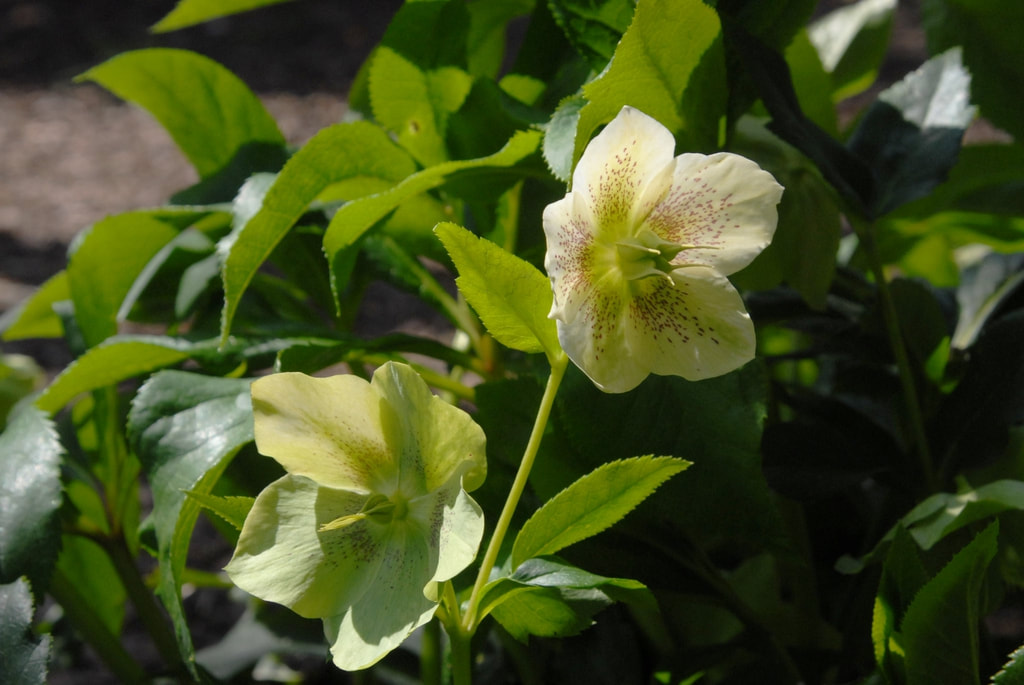
The blooms of the Lenten rose (Helleborus orientalis) range from white, to purple, to pink, to red.
Picture
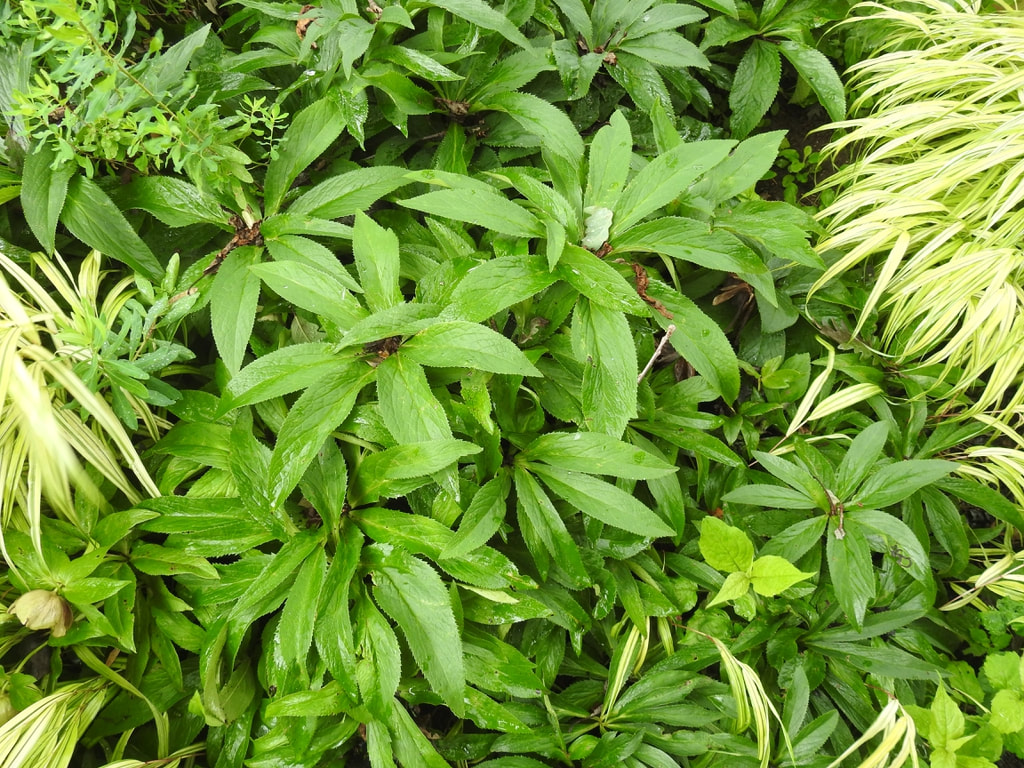
Lenten roses are busy perennials with lovely green leaves.
Lenten roses are a group of plants in the genus Helleborus, with Helleborus orientalis being the species used most commonly in our gardens.  They are native to a wide range of Europe and Asia, but perform well in gardens throughout much of the United States.  They are generally short, bushy perennial plants, with evergreen leaves and flowers that bloom from mid-February to early April.  They grow best in well-drained organic soils in shady areas.  The leaves are toxic if ingested, so don’t go grazing on your Lenten roses after you plant them, but this characteristic thankfully keeps deer, rabbits, and other critters away.  Deer love many other shade-loving plants, particularly hostas, so mixing in Lenten roses in those areas may help keep animal pests at bay.
Bloom color ranges from white to pink to purple to red, with nearly every shade in between represented.  The individual blooms are cup shaped and arise from the tip of each stem.  Blooms are incredibly long-lasting and while the color may fade from the start of bloom to the finish, that dynamic color change is itself interesting to watch.  The glossy green foliage complements the flowers well, and because the flowers are borne at the tips, the dense foliage does not typically obscure them.  Often times the cup shaped flowers will point downward, in which case I suppose they more accurately resemble a bell than a cup, but they are still quite easy to find when in full bloom. 
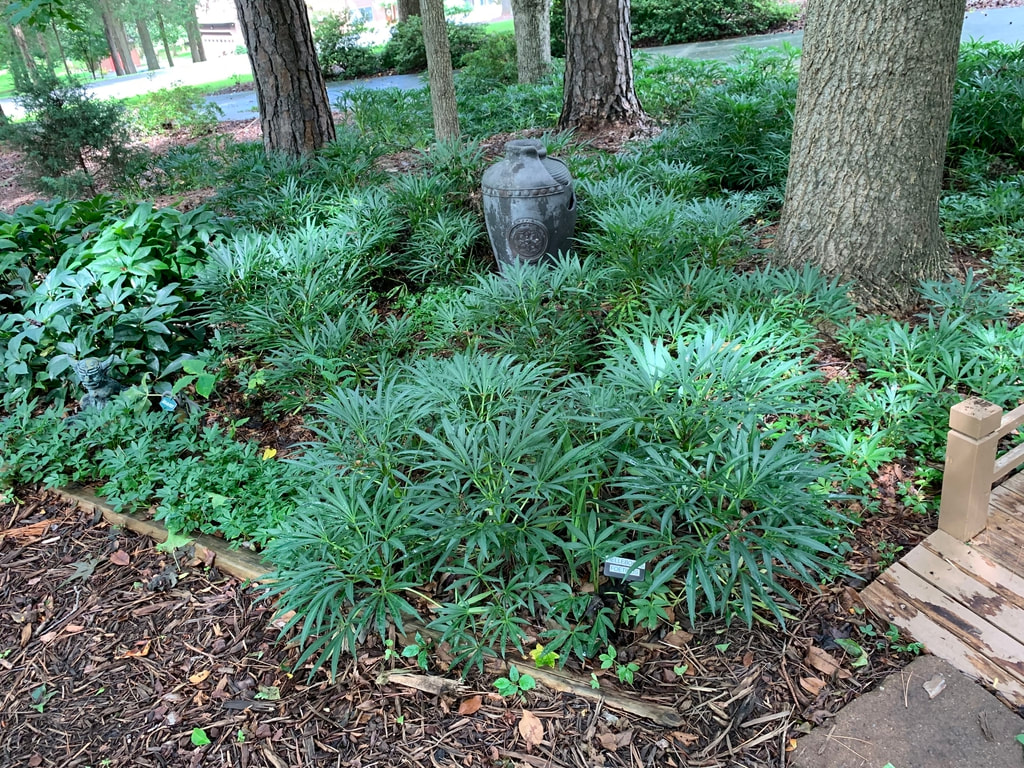
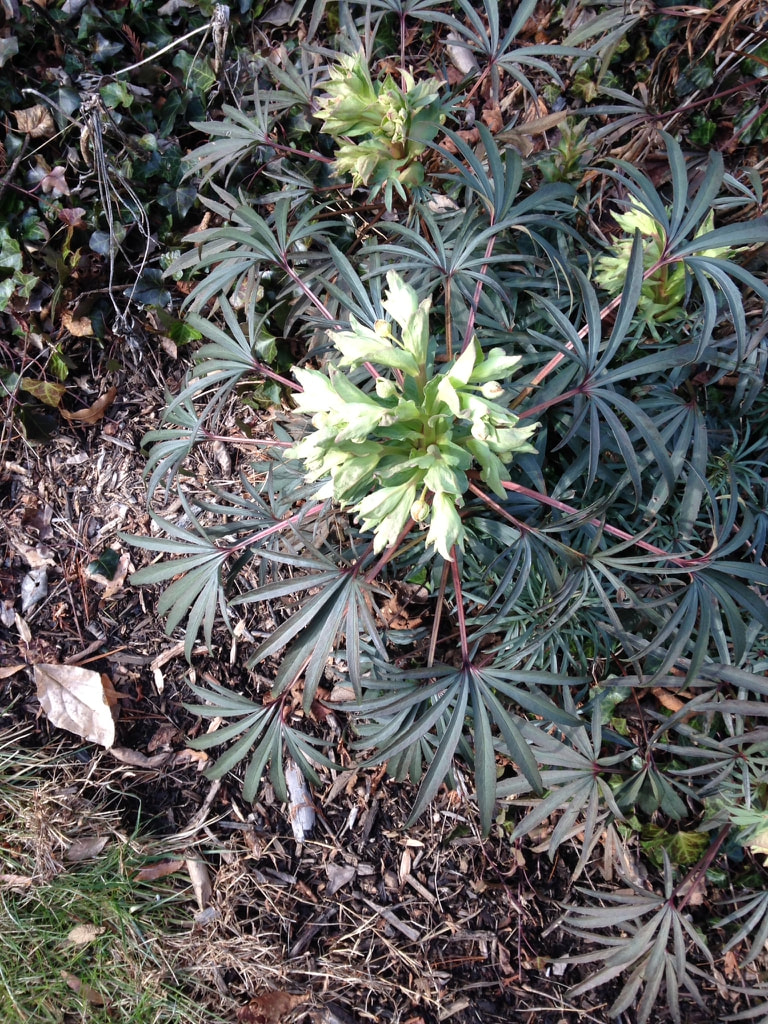
Another species, Helleborus foetidus, shares many of the same characteristics stated above, though the flower colors tend to be limited to white and occasionally purple.  However, H. foetidus has much more delicate leaves, with long, slender leaflets. While probably not as spectacular in bloom as many of the H. orientalis cultivars, the foliage is even more attractive and more compatible with other landscape plants that enjoy shade.
Picture
Helleborus foetidus
Picture
Helleborus foetidus is a fabulous landscaping plant.
There are two many cultivars and varieties of Lenten rose to name, but the Ice N’ Roses and Frostkiss series are particularly popular.  I enjoy the Frostkiss series for the prominence of the veins on each leaf, which gives the plants an almost variegated appearance. 

Lenten roses are generally pest-free and quite hardy, though you may need to clean up old foliage from time to time to keep the plants looking their best.  They will occasionally get crown rot in wet soils, or leaf spot if too much moisture accumulates on their leaves, so erring on the dry side is usually best. 


On January 27, the Pitt County Extension Master Gardener volunteers will be hosting their annual speaker’s event, featuring retired Virginia Zoo Landscape Coordinator Marie Mims Butler.  This yearly event is always a popular gathering for gardening enthusiasts! Tickets are now on sale at the Pitt County Cooperative Extension office and at Wild Birds Unlimited in Greenville. 

Matthew Stevens is the County Extension Director and horticulture agent for North Carolina Cooperative Extension’s Pitt County Center. If you have any questions about this article or other aspects of your home gardening, please contact the Pitt County Master Gardener Infoline at 252-902-1705.

Photos and information found at NC extension Gardener Plant Toolbox:

https://plants.ces.ncsu.edu/plants/helleborus-orientalis/

0 Comments


Leave a Reply.

    Matt Stevens

    Pitt County Extension Director & Horticulture Agent

    Archives

    November 2025
    October 2025
    September 2025
    August 2025
    July 2025
    June 2025
    May 2025
    April 2025
    March 2025
    February 2025
    January 2025
    December 2024
    November 2024
    October 2024
    September 2024
    August 2024
    July 2024
    June 2024
    May 2024
    April 2024
    March 2024
    February 2024
    January 2024
    December 2023
    November 2023

    Categories

    All

    RSS Feed

Proudly powered by Weebly
  • Home
  • What's In Bloom
  • About
    • Staff
    • Master Gardeners
    • Map
    • Stay in Touch
  • Visit
    • Visitor Information
    • Visitor Etiquette
    • Tours
    • Pitt County Agricultural Center
  • Our Gardens
    • Our Gardens
  • Blog
  • Director's Choice
  • Events
    • Calendar
    • Northside Plant Walks
  • Support
    • Plant Sale
    • Friends of the Arboretum >
      • Membership
      • Giving
    • Volunteer
  • Resources
    • Guides
    • Videos
    • Photo Gallery
  • Contact